
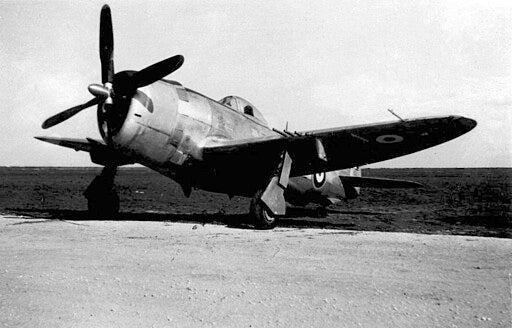
The Emergence and Development of the P-47 Thunderbolt
The P-47 Thunderbolt became one of the most notable aircraft during World War II due to Republic Aviation’s concept and combat execution process during the early 1940s. Alexander Kartveli and Alexander Seversky, two Georgian engineers with exceptional insight, were responsible for creating this magnificent craft. They imagined an aircraft with a robust airframe equipped with supercharged radial engines for high-altitude combat missions – making the P-47 unique due to its incredible scale and power. At over eight tons when fully loaded, it was one of the heaviest single-engine fighter aircraft produced during World War II. But its powerful Pratt & Whitney R-2800 Double Wasp engine more than made up for its weight by providing an impactful punch.
At a time of global tensions and increased conflict intensity, the P-47 Thunderbolt stood as an unyielding force when global escalation threatened to become out of hand. From bomber escorting missions to ground attacks on B-17 bombers or B-25 Mitchells, its endurance earned respect among pilots while terrifying enemies alike.
The P-47 was widely admired for its unparalleled durability and ability to take significant hits without being destroyed. It enabled pilots to return home with injuries that would have otherwise proved lethal on other aircraft. Furthermore, its eight .50 caliber machine guns provided exceptional firepower, making this aircraft ideal for ground attack missions.

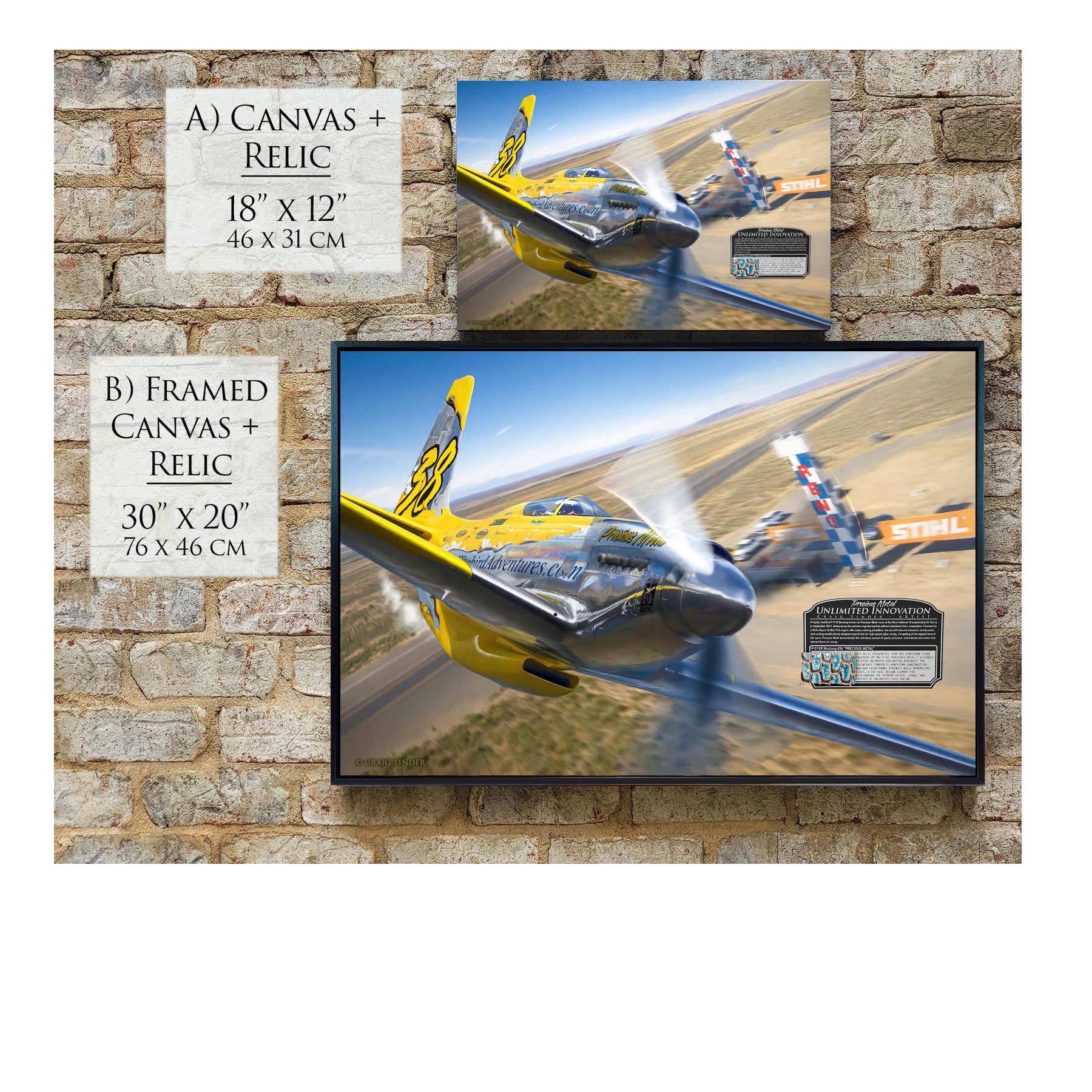
Own a Piece of a P-47
Speed Comparison: P-47 Thunderbolt vs. P-51 Mustang
Comparing their speeds, the flying speeds of the P-47 Thunderbolt and P-51 Mustang aircraft usually show that the Mustang outpaced its more powerful counterpart. One popular Mustang variant known as P-51D had an estimated top speed of approximately 445 mph, while fully-loaded P-47 Thunderbolt aircraft could achieve top speeds of around 426 mph.
However, speed should not be used as the sole criterion when comparing aircraft. When undertaking similar missions, the P-47 had the edge over its P-51 rival due to its robust construction, higher-level firepower, and superior altitude performance.
Both aircraft were remarkable pieces of machinery, each with strengths and distinguishing characteristics. While some argue that the P-51 had superior speed, both aircraft made invaluable contributions during World War II aerial warfare.
















Share:
The F-14 Tomcat: A Legendary Fighter Jet of the Cold War Era
Princess Pat's Final Flight, the story behind "Twilight's Last Crucible"