
The Story Behind the Artifact
A relic becomes meaningful because of what it represents—and because its history can be understood.
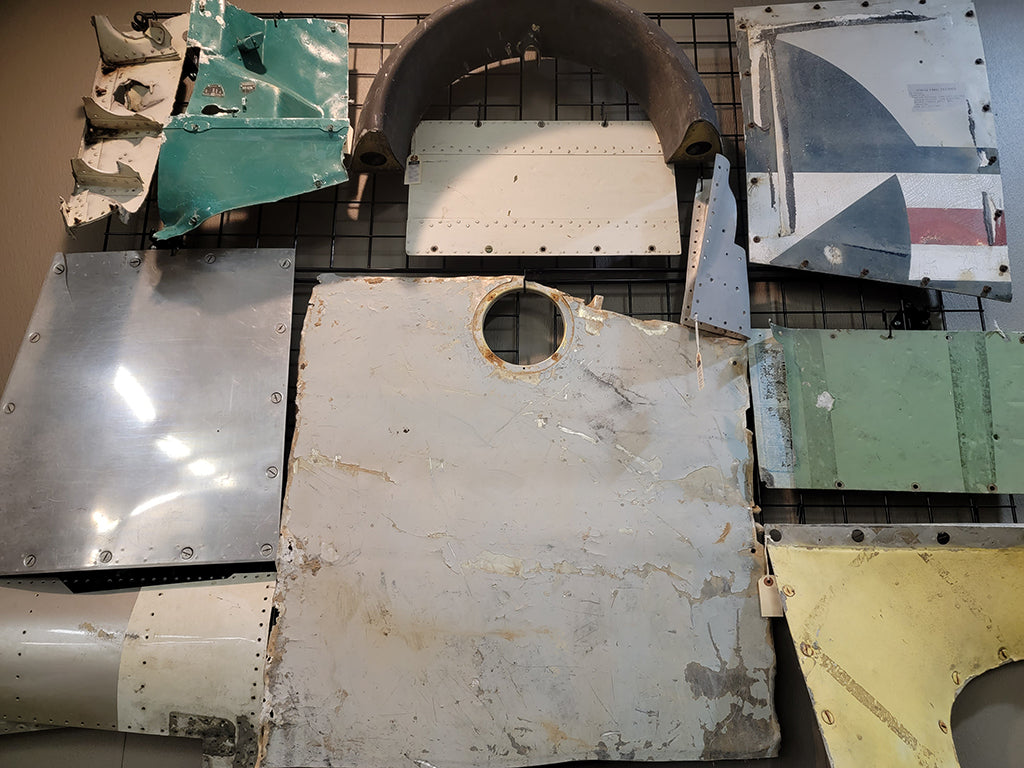
Aces In Action works with museums, restoration organizations, veterans' groups, collectors, historical organizations, and other trusted sources to acquire authentic material connected to historic aircraft, ships, vehicles, and events.
Before that material becomes part of an Aces In Action edition, Craig researches its history and preserves the information that connects the artifact to its origin.
That provenance becomes part of the finished piece, allowing collectors to understand not simply what the relic is, but where it came from and why it matters.
Following the History

01 · SOURCE
The Artifact Is Acquired
Historical material is obtained through museums, restoration organizations, collectors, veterans' groups, historical organizations, and other established sources.
(source: USS Kitty Hawk Double Hull)

02 · RESEARCH
Its History Is Documented
Vehicle identities, serial numbers, service histories, restoration records, photographs, records, and other available documentation help establish the story behind the material.

03 · PRESERVE
The Artifact Is Prepared
When appropriate, a portion of the material is carefully prepared for incorporation into an artwork or collectible while its historical identity remains connected to the finished edition.
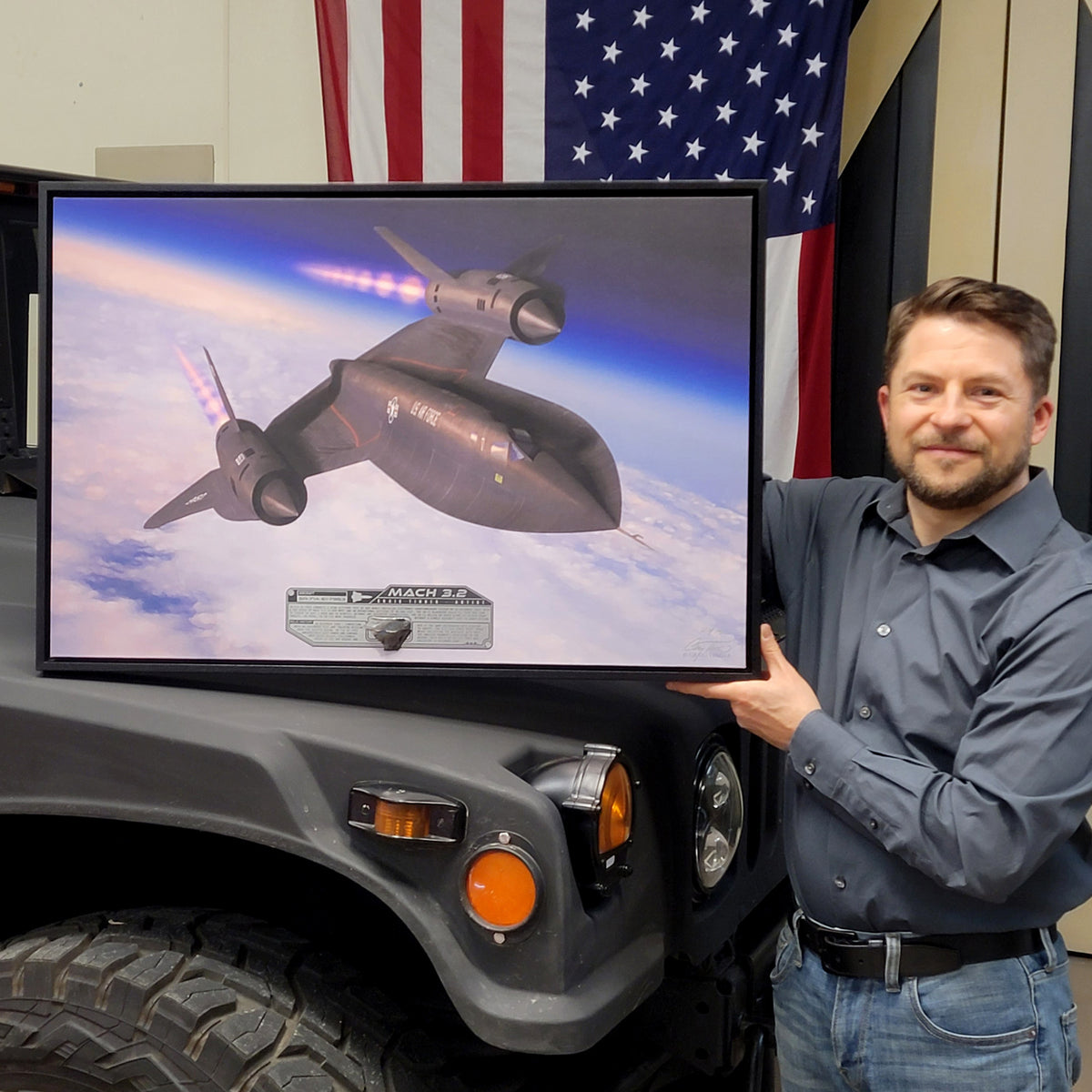
(source: SR-71 Titanium)

04 · DOCUMENT
The Story Stays With It
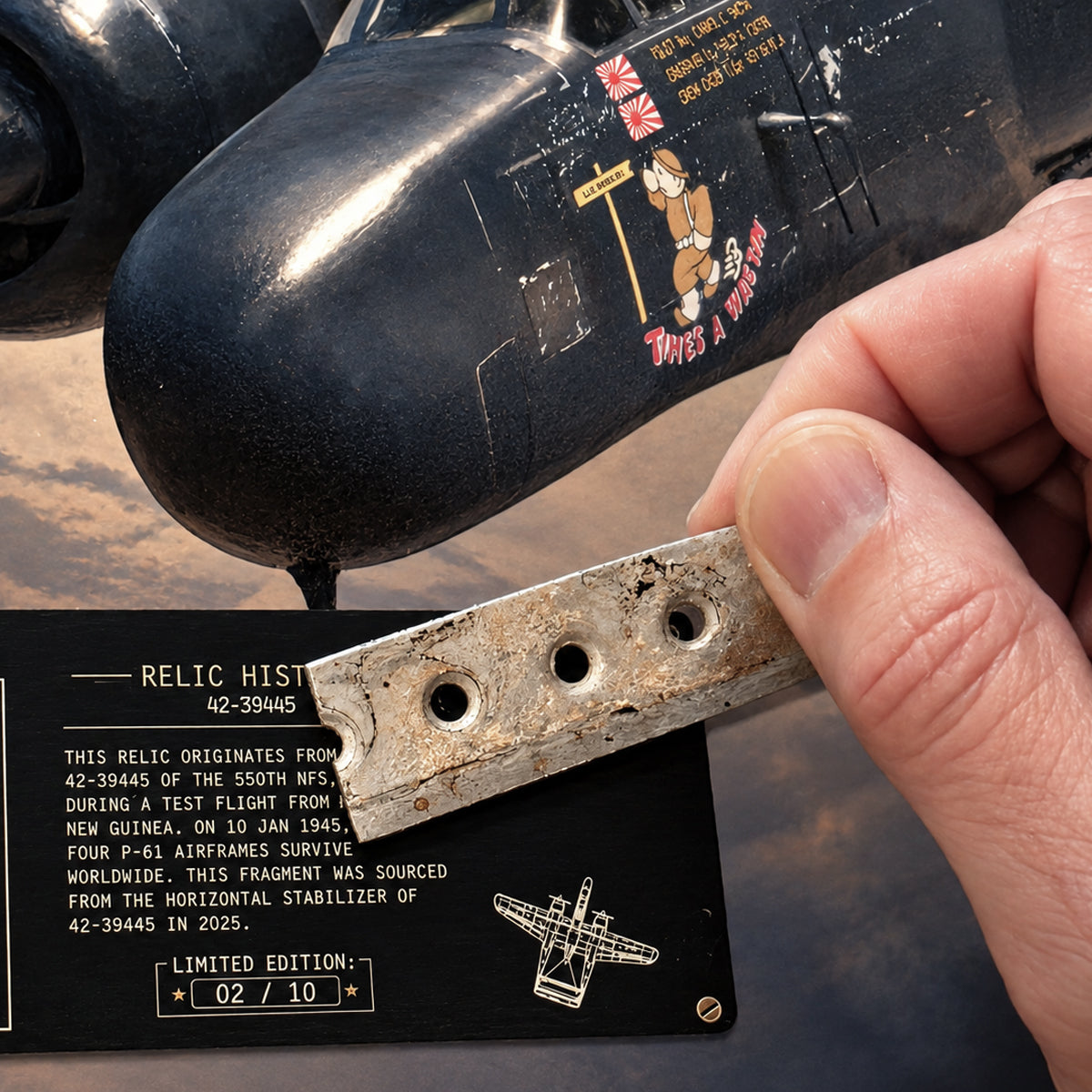
Each Relic Artwork includes an engraved Artifact Dock that presents the relic's identity and key provenance details alongside the artwork, where they remain visible for collectors to reference. Precision engraved on durable mil-spec aluminum, the dock gives the artifact's history a permanent place within the finished presentation. Additional provenance documentation accompanies the piece to preserve the fuller story behind the relic.
(source: P-61B Black Widow Aluminum)

05 · NEW STEWARDSHIP
History Has a New Steward
The relic enters a private collection not simply as a fragment of material, but as a documented connection to the history it represents.
Where Do the Relics Come From?
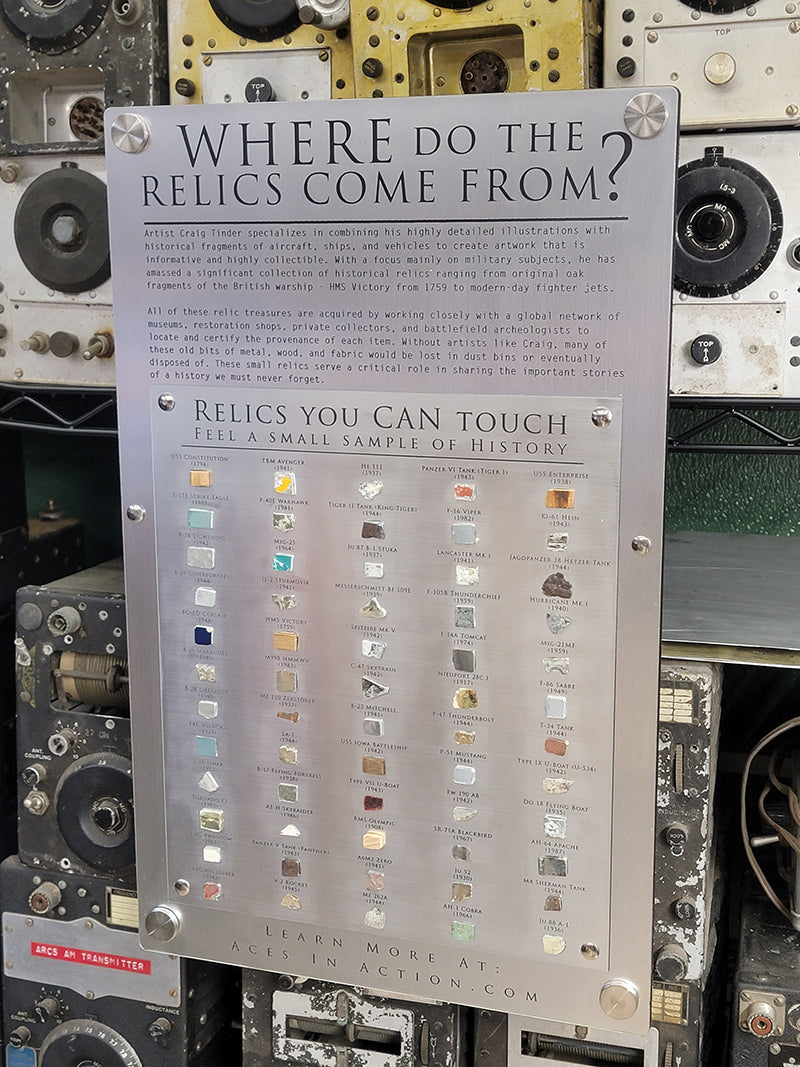
There is no single source for an Aces In Action relic.
Some material comes directly from museums and restoration organizations when damaged or replaced components are removed during an aircraft restoration. Other artifacts come from established collections, veterans' organizations, historical groups, or individuals who have preserved them for decades.
The circumstances are different for every artifact, which is why the history of the individual relic matters more than a generic claim of authenticity.
Whenever possible, information about the artifact's identity, source, restoration, recovery, or previous ownership is preserved alongside the material.

Connecting the Relic to Its History
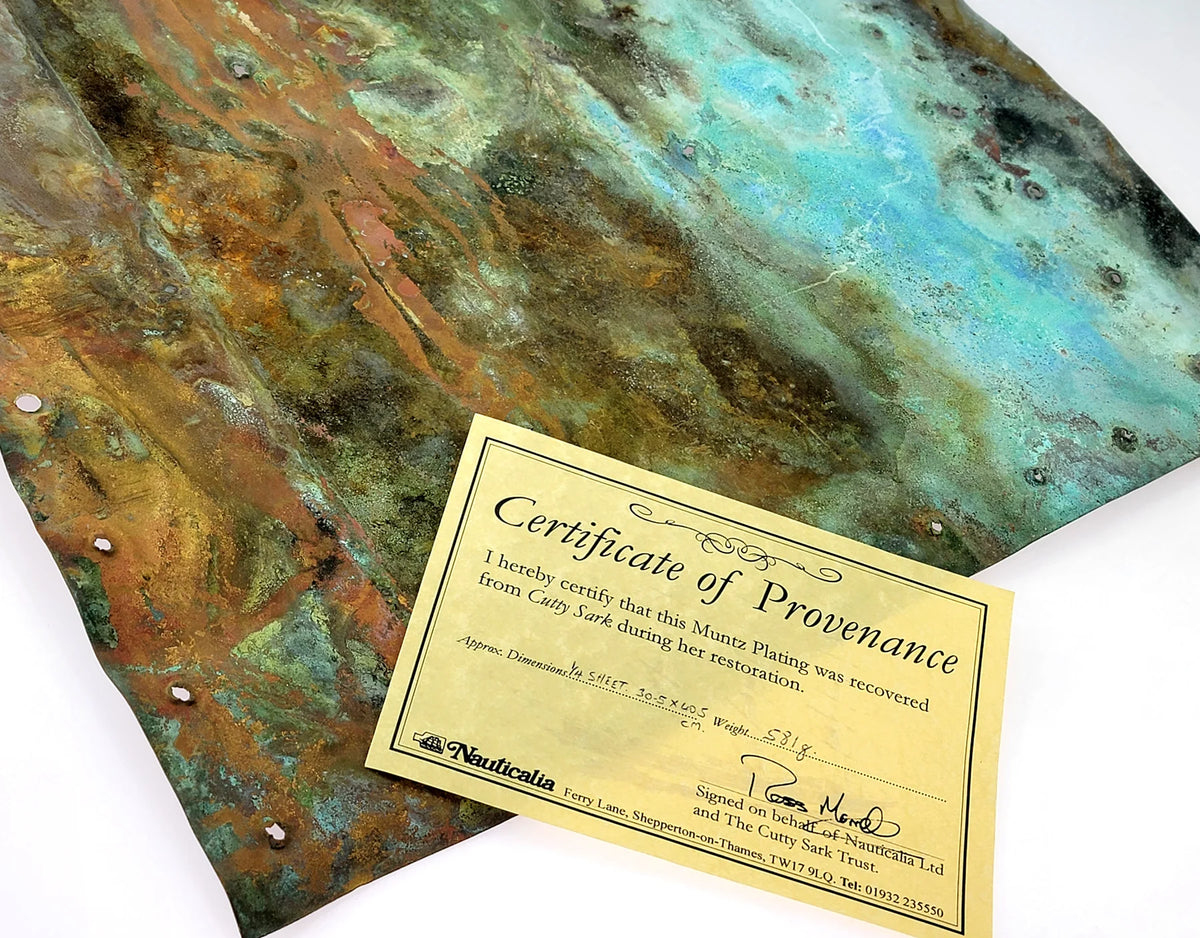
Provenance often begins with a serial number, part number, restoration record, photograph, document, or information supplied by the organization responsible for the artifact.
Craig researches the aircraft, ship, vehicle, or historical event connected to the material and records the information needed to tell its story accurately.
Depending on the artifact, that research may include military records, production information, unit histories, restoration documentation, period photographs, museum records, or other surviving sources.
Not every artifact has the same level of surviving documentation. Rather than fill those gaps with assumptions, Aces In Action represents the history according to the information that can be supported.
From Historical Material to Relic
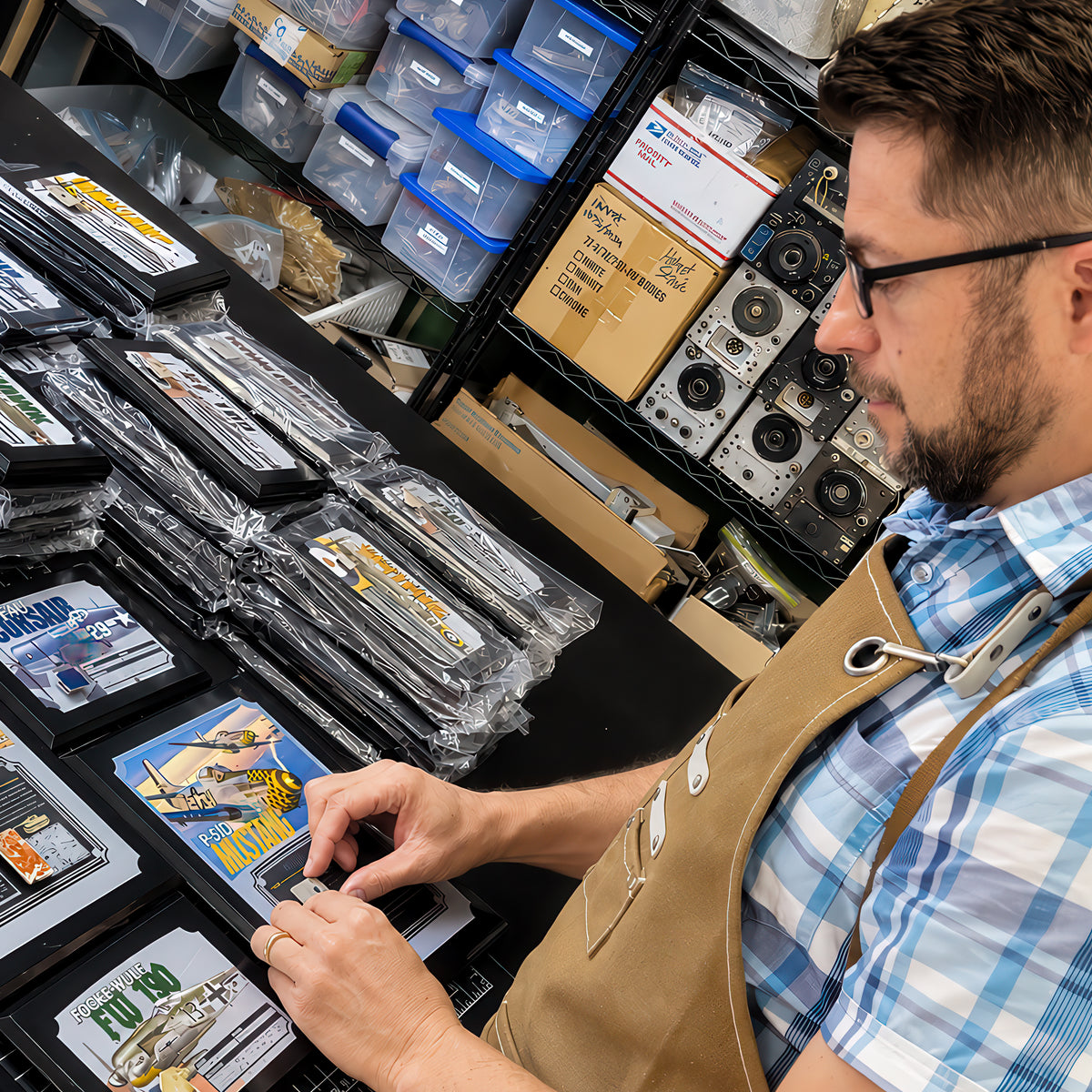
When an artifact is appropriate for a relic edition, only the material designated for that purpose is prepared for incorporation into the finished work.
Craig personally handles many of the relics used in Aces In Action pieces, preparing and integrating the material so that the connection between the artifact, the artwork, and its history remains clear.
The objective isn't to make an old piece of material look new. Wear, oxidation, paint, surface markings, and other characteristics can be part of the artifact's history—and part of what makes each relic unique.
The Story Stays With the Collection
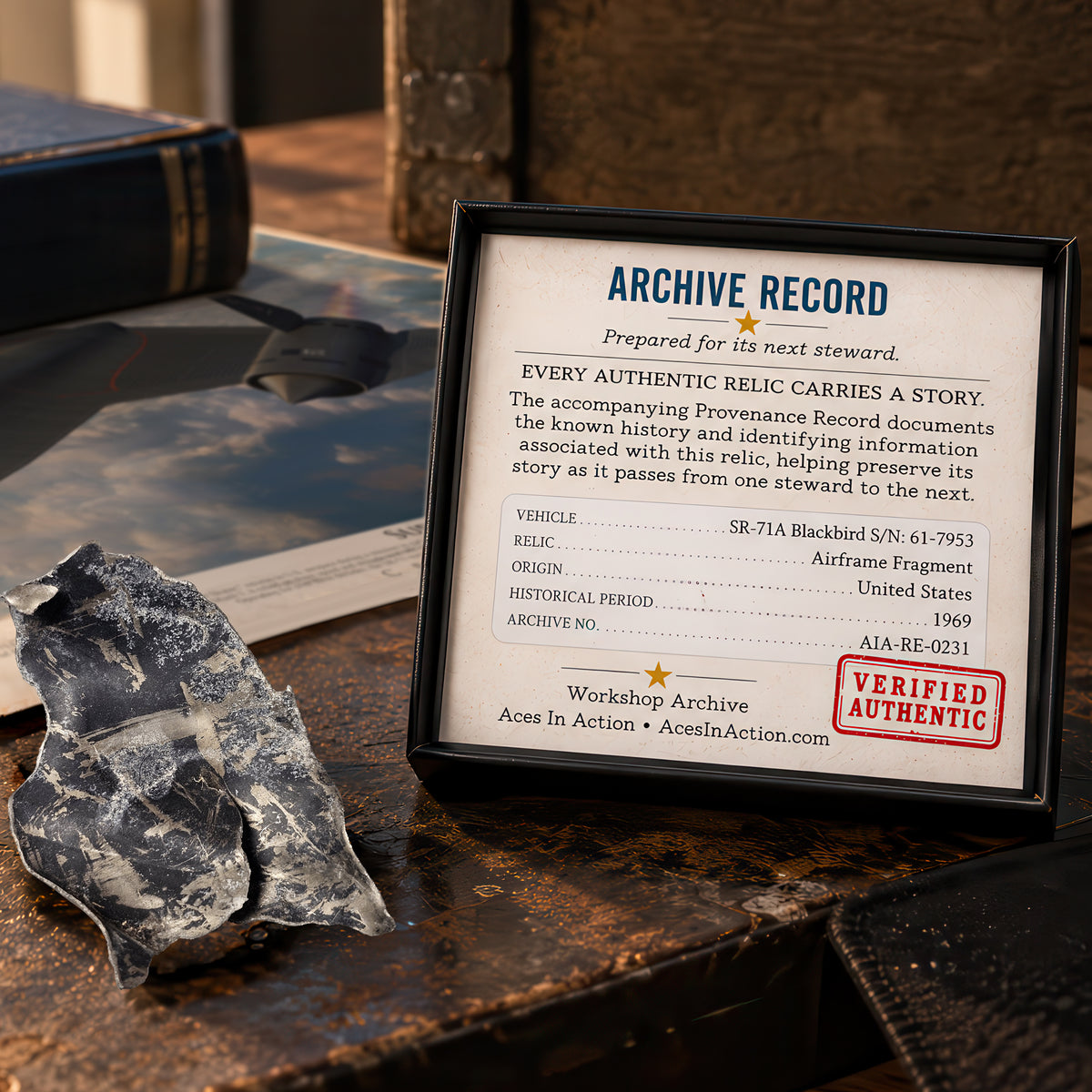
Relic Artwork and Relic Plaques include documentation identifying the historical material incorporated into the piece and the story behind its origin.
For collectors, that information is an important part of the piece. It provides context for the artifact and helps preserve its history as the artwork moves from one steward to another.
We recommend keeping the documentation with the artwork so that the provenance remains connected to the relic for years to come.
Provenance in the Collection

C-53 Skytrooper · Vintage Wings
Original material supplied by Vintage Wings during the preservation and restoration of C-53 41-20095, Beach City Baby, which returned to flying status in 2022.

Nieuport 28 · Collings Foundation
Original linen from Nieuport 28 No. 512 was removed during the aircraft's 2019–2022 restoration and incorporated into the relic edition honoring America's first fighter ace victory.

B-25 Mitchell · Hangar 743 / Prescott Foundation
Material from an engine cowling panel of combat-veteran B-25J 44-28938, Old Glory, was provided during the aircraft's restoration and incorporated into Craig's commemorative artwork.

PBY-5A Catalina · Military Aviation Museum
The commissioned edition incorporates original control-surface fabric from the Military Aviation Museum's airworthy PBY-5A Catalina, BuNo. 48294.

THUNDERHEAD OF PRECISION
Created for the New England Air Museum and paired with authentic aluminum from B-29 Superfortress 44-61975.

USS Kitty Hawk (CV-63) · U.S. Navy Aircraft Carrier
Authentic material from the USS Kitty Hawk (CV-63) was preserved following the carrier's retirement and incorporated into Craig Tinder's artwork, connecting the finished edition to nearly five decades of U.S. Navy service.
Frequently Asked Questions
Are the relics authentic?
Yes. Aces In Action relic pieces incorporate genuine historical material sourced through museums, restoration organizations, established collections, veterans' groups, historical organizations, and other trusted sources. The specific origin of the relic varies by piece and is described with the individual artwork or collectible.
Does every relic come directly from a museum?
No. Museums and restoration organizations are important sources, but historical artifacts also come from private collections, restoration shops, veterans' organizations, historical groups, and other established sources. What matters is the provenance supporting the individual artifact.
Why are original historical materials sometimes available?
Historical material enters the Aces In Action collection in several ways. During the restoration and preservation of historic aircraft, ships, and vehicles, damaged or unserviceable components may need to be removed and replaced. When appropriate, portions of that material can be preserved rather than discarded, allowing its history to continue through artwork, exhibits, and educational collections.
Other relics have a very different history. Aces In Action has worked with museums, veterans' organizations, historical groups, and military archaeology partners to preserve material recovered from historic sites associated with those who served. In these cases, the purpose extends beyond preserving an aircraft or vehicle—it is about helping preserve the stories of the people who were there.
We approach this material with particular care and respect. Regardless of nationality or which side of a conflict someone served on, these artifacts are treated as tangible witnesses to history and an opportunity to remember the individuals whose experiences might otherwise be lost.
Is every relic connected to combat or military service?
No. While many Aces In Action relics come from military aircraft, ships, and vehicles with documented service histories, our collection extends well beyond the battlefield.
Relics may be connected to historically significant civilian aircraft, ocean liners, spacecraft, presidential aircraft, exploration, transportation, and other important people, machines, and events. From military service to moments of innovation, tragedy, exploration, and national history, every artifact has its own story.
We represent each relic according to its documented history and never imply combat, military service, or a particular historical connection that the artifact's provenance does not support.
Will my relic look exactly like the one pictured?
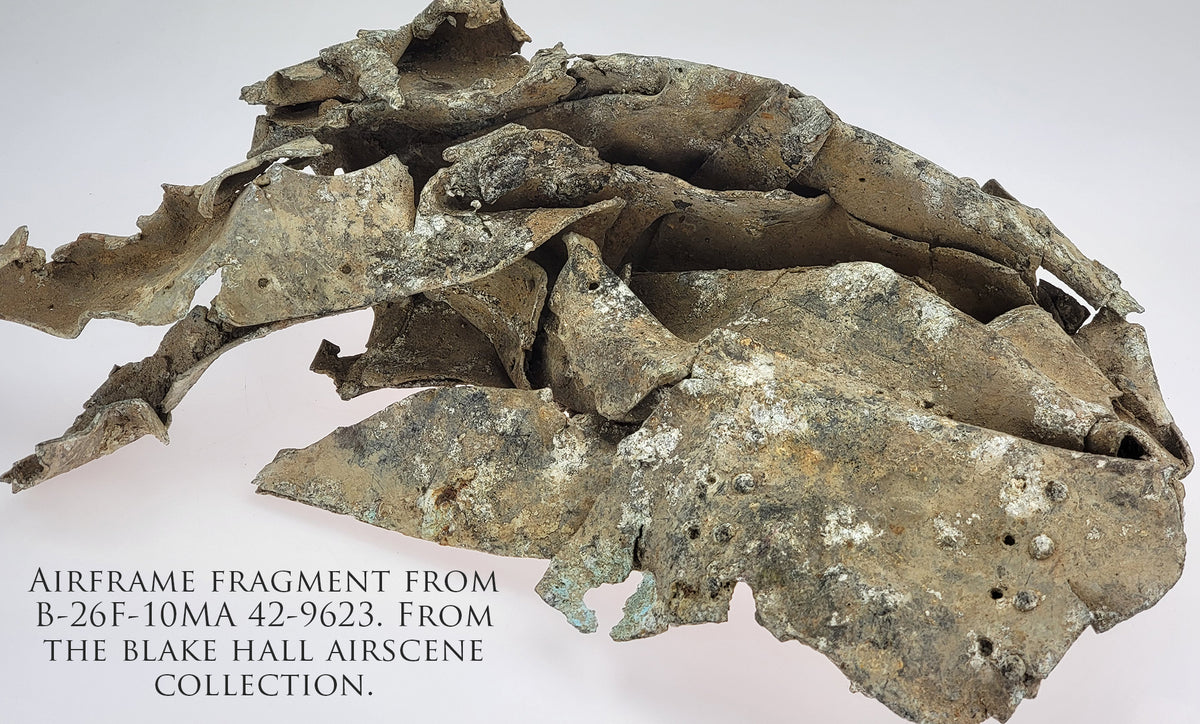
No two authentic relic fragments are exactly alike. Unless otherwise stated, the relic included with your artwork is a fragment taken from the larger historical component shown in the reference photos. These photographs document and illustrate the source of the relic material and do not mean that the entire component pictured is included with the artwork.
The size, shape, color, markings, texture, and appearance of individual relic fragments may vary depending on the original material available. These natural variations are part of the authenticity and history of the material.
Does Relic Artwork include a Certificate of Authenticity?
Yes. Relic Artwork and Relic Plaques include documentation and a Certificate of Authenticity identifying the relic and its historical origin. We recommend keeping this documentation with the piece so its provenance remains connected to the artifact.
Discover Relic Artwork
Explore Craig Tinder's historical artwork incorporating authentic relics from the aircraft, ships, and vehicles whose stories continue through the collection.