
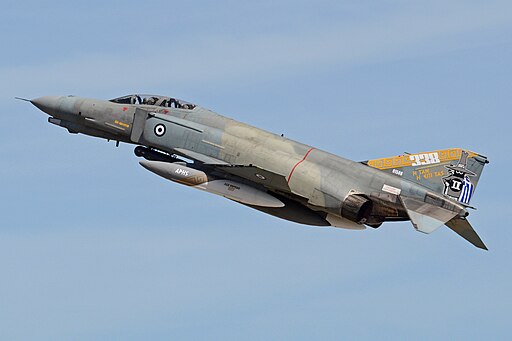
Throughout aviation history, few aircraft can claim a pedigree as storied as the F-4 Phantom II. While its legacy within the United States Air Force is widely celebrated, the Phantom’s international service is an often-understated chapter of its illustrious career. Donning the colors of allied air forces around the globe, the F-4 became a symbol of might, agility, and mutual defense, bridging nations and skies alike.
From the Shores of the U.S. to Global Skies
The F-4 Phantom isn’t just any plane – picture this: a sleek, two-seater jet with powerful engines built to tackle any weather and cover vast distances at supersonic speeds. Crafted initially for the U.S. Navy, when it first took to the skies in 1958, it wasn’t just a plane taking flight – it felt like the whole world of military aviation was stepping into a bold, versatile new era. By the mid-1960s, it became evident that the F-4’s capabilities were not just suited for American needs. As international tensions brewed and global defense became paramount, the Phantom began to soar under foreign flags.
Echoing Thunder Over European Landscapes
Europe was one of the first continents to embrace the F-4’s prowess. The German Luftwaffe, revitalizing post-World War II, saw in the Phantom an opportunity to modernize and fortify. They operated the F-4F variant, which, while less sophisticated in avionics than its American counterpart, was tailored for German defense requirements. The Royal Air Force (RAF) of the U.K. and the Hellenic Air Force of Greece similarly recognized the F-4’s potential, adapting it to their tactical arsenals.
The Middle Eastern Frontier: A Phantom’s Haven
In the volatile theaters of the Middle East, the F-4 proved itself both a shield and a sword. Iran’s Imperial Air Force, before the 1979 revolution, was a major non-NATO user of the F-4. Iranian Phantoms played pivotal roles throughout the subsequent Iran-Iraq war, striking with precision and evading foes with their unmatched agility. Facing multifaceted threats, Israel adapted the Phantom into its aerial strike force, and the results were astounding. Israeli F-4s showcased the aircraft’s potent blend of speed, firepower, and resilience in numerous operations and conflicts.

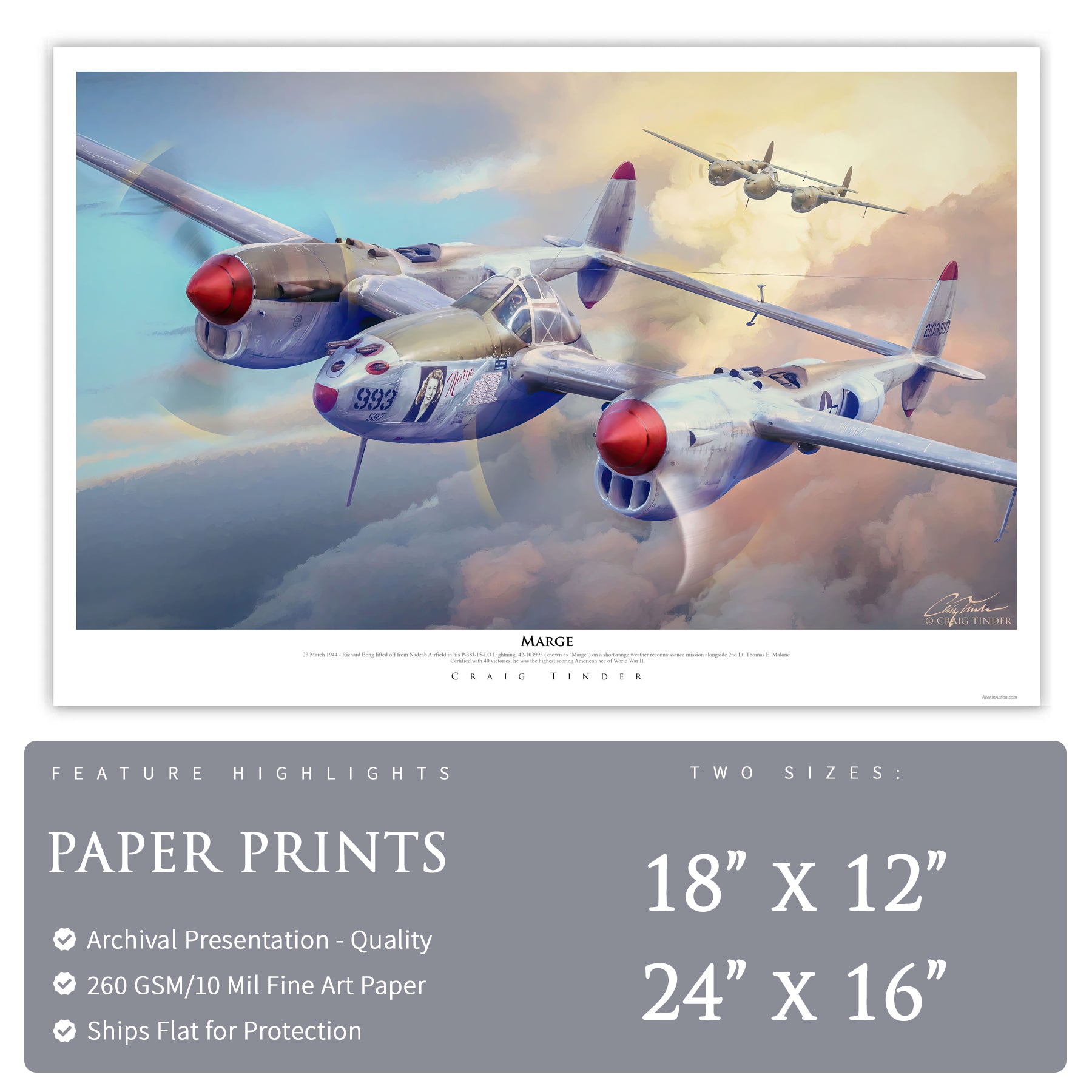
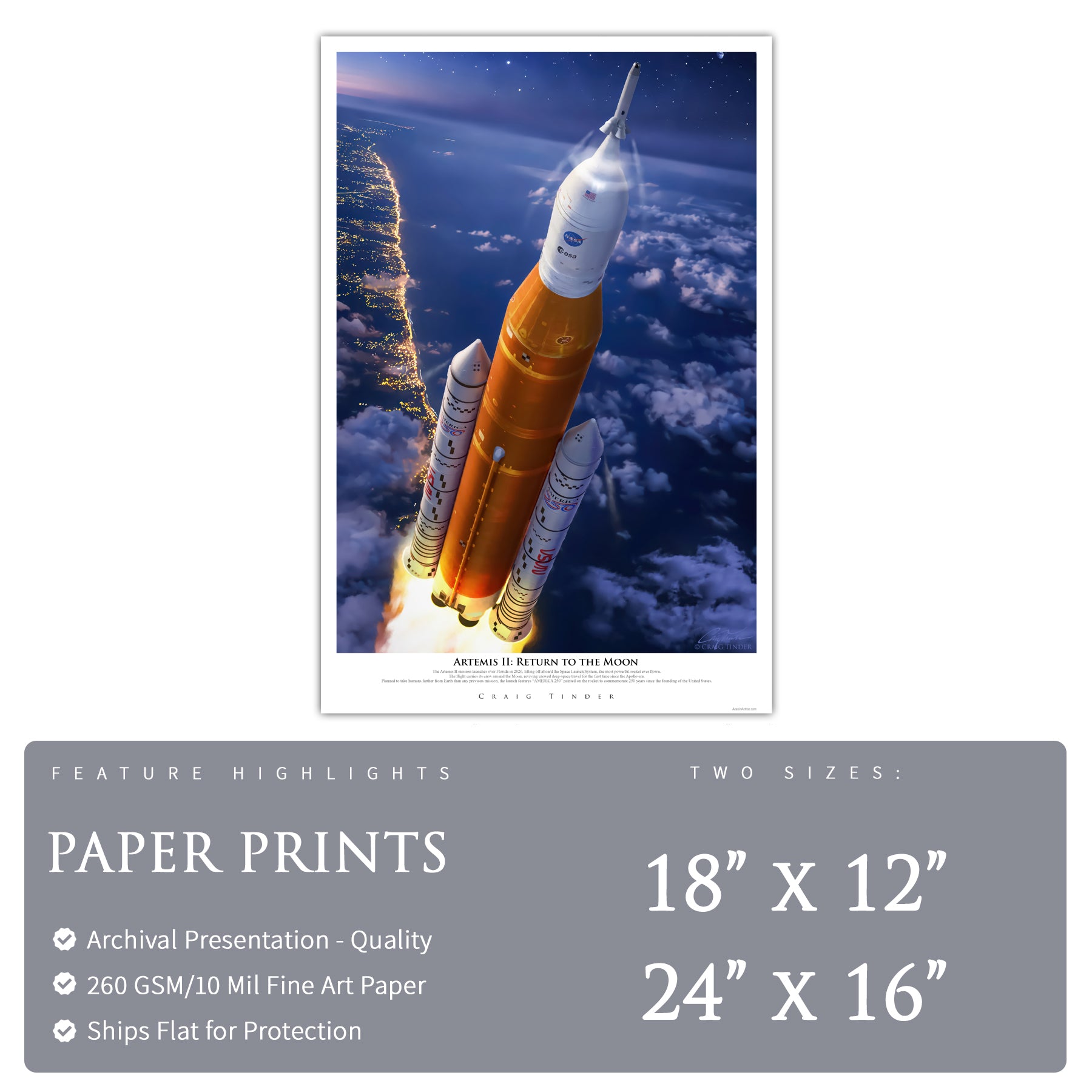
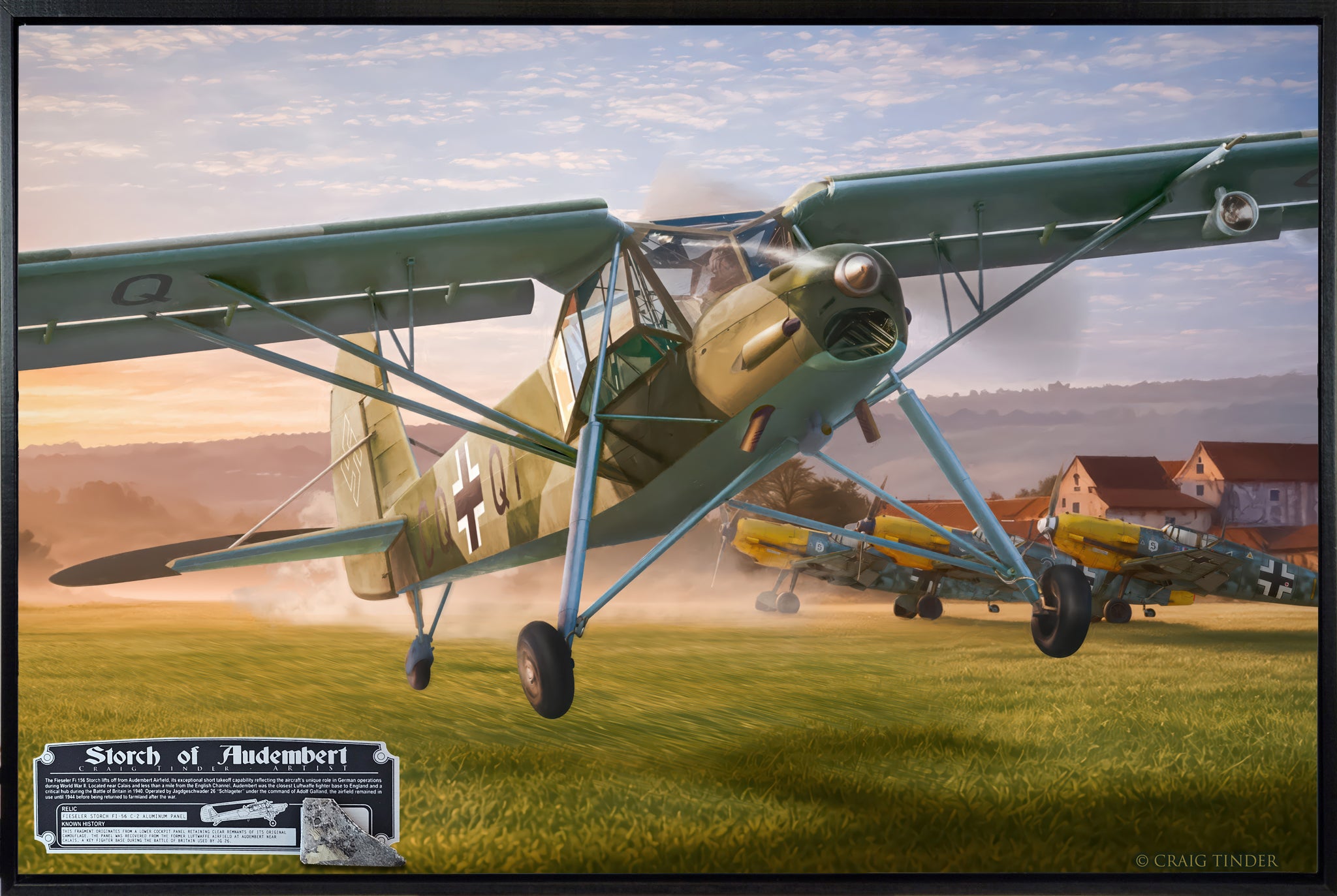
Own a Piece of an F-4 Phantom
Asia and Beyond: A Symbol of Defense
The Phantom’s presence was equally significant in Asia. Japan, South Korea, and Turkey became notable operators, tailoring the jet to regional defense nuances. The F-4EJ, tailored for Japan’s Air Self-Defense Force, was a testament to how the aircraft could be indigenously adapted, catering to specific national needs while preserving the core of its celebrated design.
Phasing Out But Not Forgotten
As years rolled into decades, the F-4 Phantom, like all greats, began to yield to newer, more advanced platforms. The Eurofighter, F-15, and F-16 began to assume roles that once saw the Phantom at the forefront. Yet, in retirement ceremonies from Ankara to Tokyo, the resonance was clear: the F-4 was not merely an aircraft but an emblem of an era—a symbol of global cooperation, defense, and aviation excellence.
The F-4 Phantom II, while undoubtedly a masterpiece of American engineering, transcended national boundaries in its service. Its wings, allied to many a nation’s cause, spanned continents, defended sovereignties and left an indelible mark on the annals of global military aviation. The Phantom’s roar, echoing from varied landscapes, is a testimony to the universality of defense aspirations and the timeless nature of aerial mastery.
To purchase or see similar items, visit here.
Commissioned by Museums, Treasured by Collectors

















Share:
Behind the Scenes: Maintenance and Challenges of Keeping the Apache Flight-Ready
Danger Zone: The Risks and Thrills of Flying the F-14 Tomcat