

About the Artist
Craig Tinder is an aviation and military artist dedicated to preserving history through his collectible fine art. Each piece combines detailed illustration with authentic relics recovered from historic aircraft, ships, and vehicles—transforming artifacts of the past into educational and inspiring works of art.
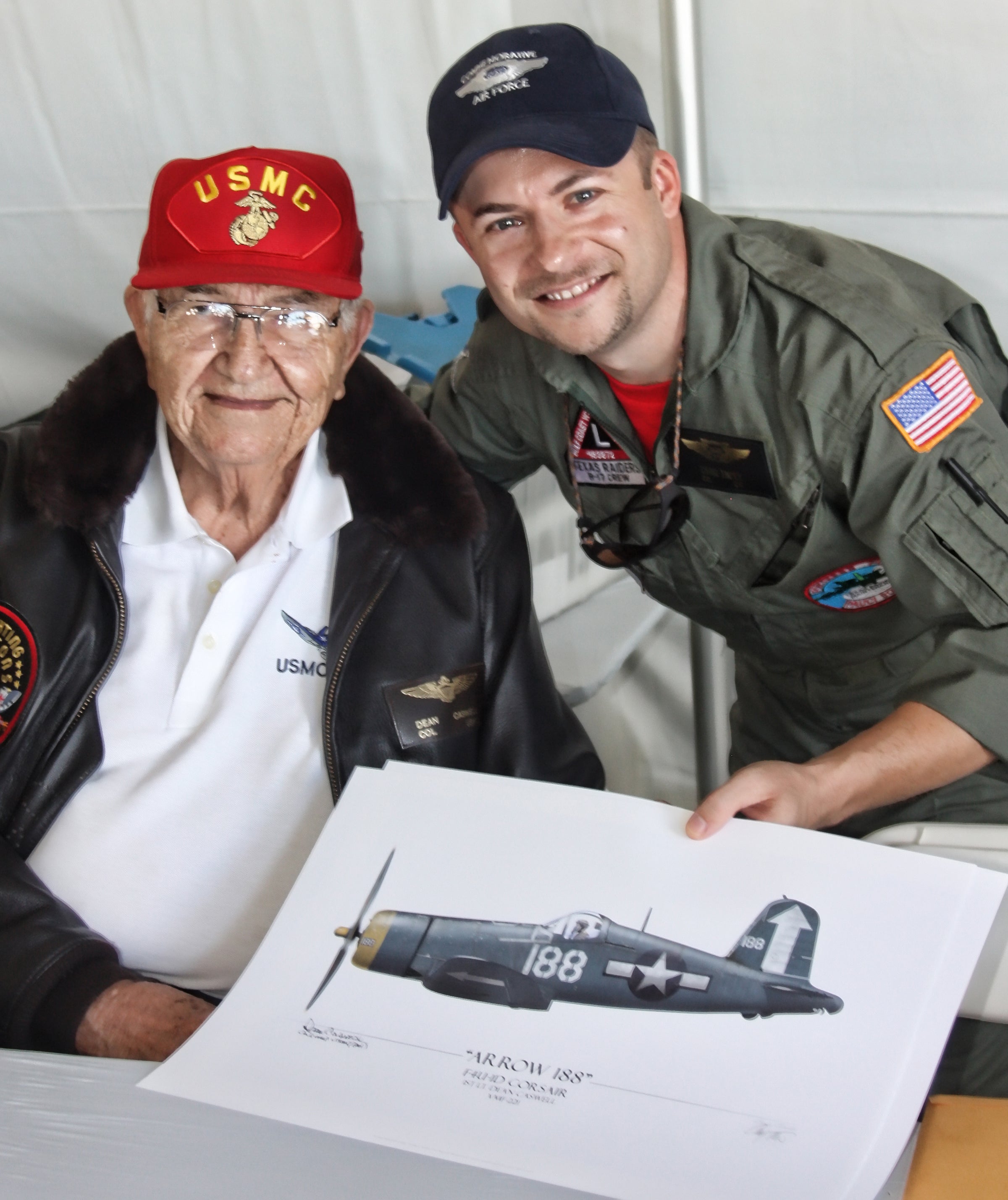
Craig’s passion for aviation began at the Reno Air Races in the 1980s, where he met legendary aviators such as Pappy Boyington and R.A. “Bob” Hoover. These early encounters ignited a lifelong commitment to honoring those who served through art.

Over the Years
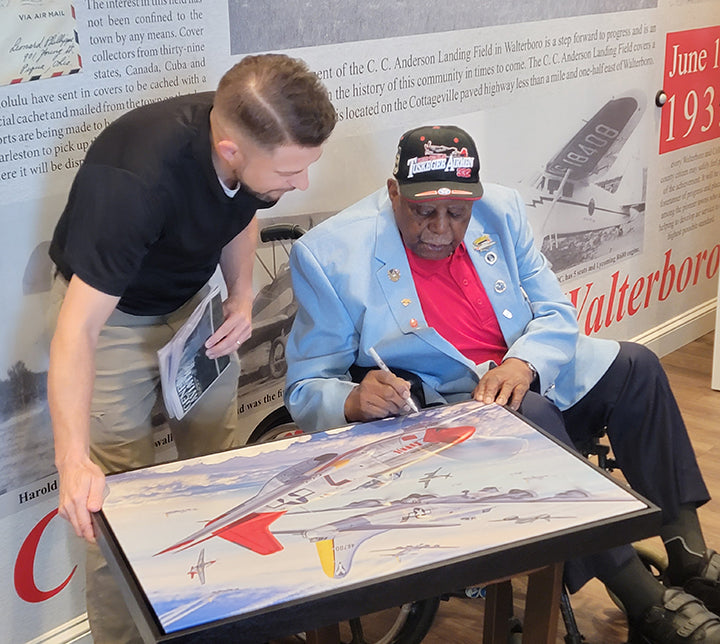
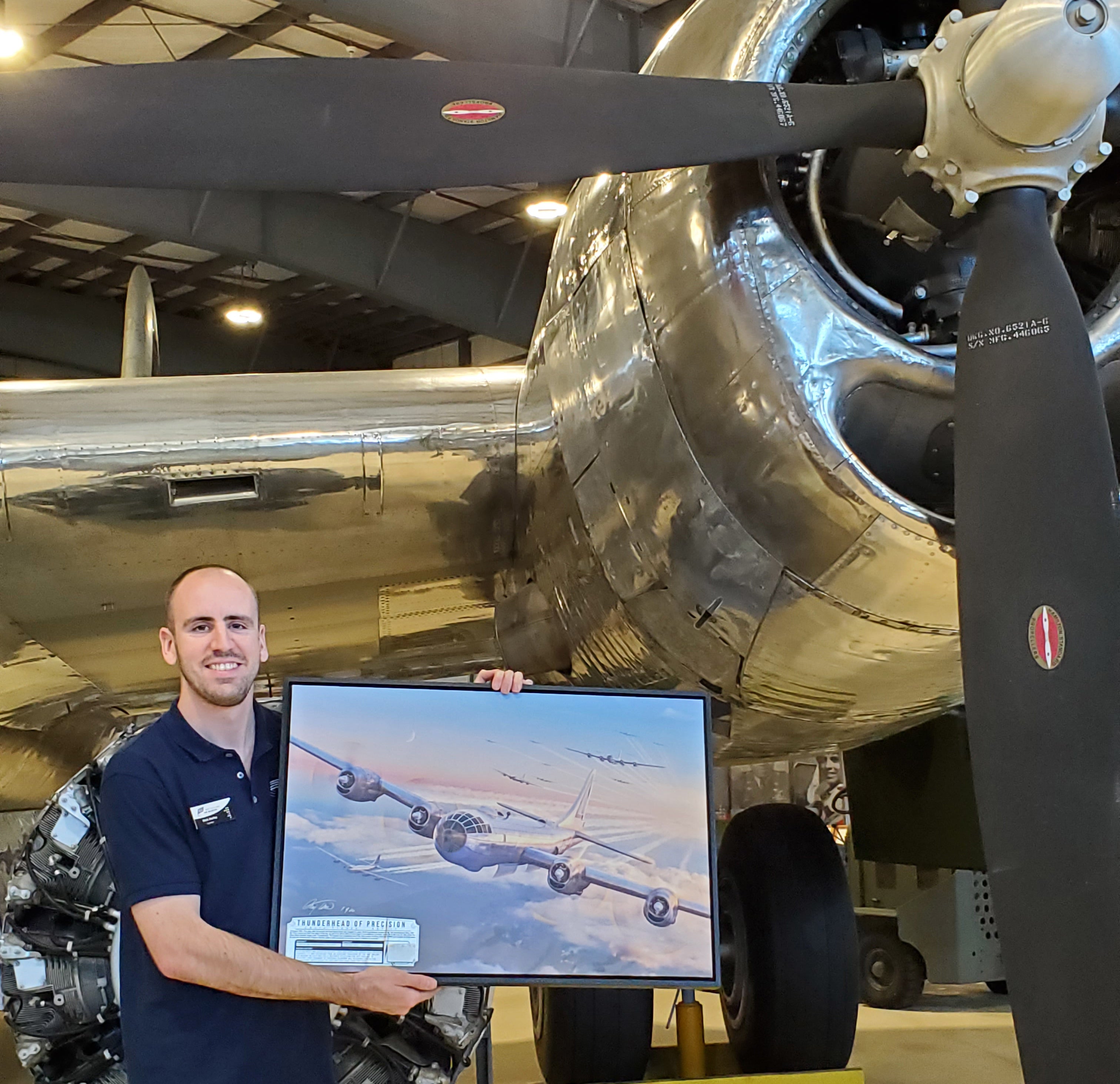
With a career in design engineering, digital illustration, and fine art, Craig brought his technical precision into the art world—creating celebrated pieces for heroes including Medal of Honor recipient James E. Swett, Clarence “Bud” Anderson, Dean Caswell, Dr. Eugene Richardson, Brian Shul, Chuck Yeager, and many more. As a certified Loadmaster and restoration operator with the Commemorative Air Force, he helped restore and fly aboard the famed B-17 Flying Fortress.
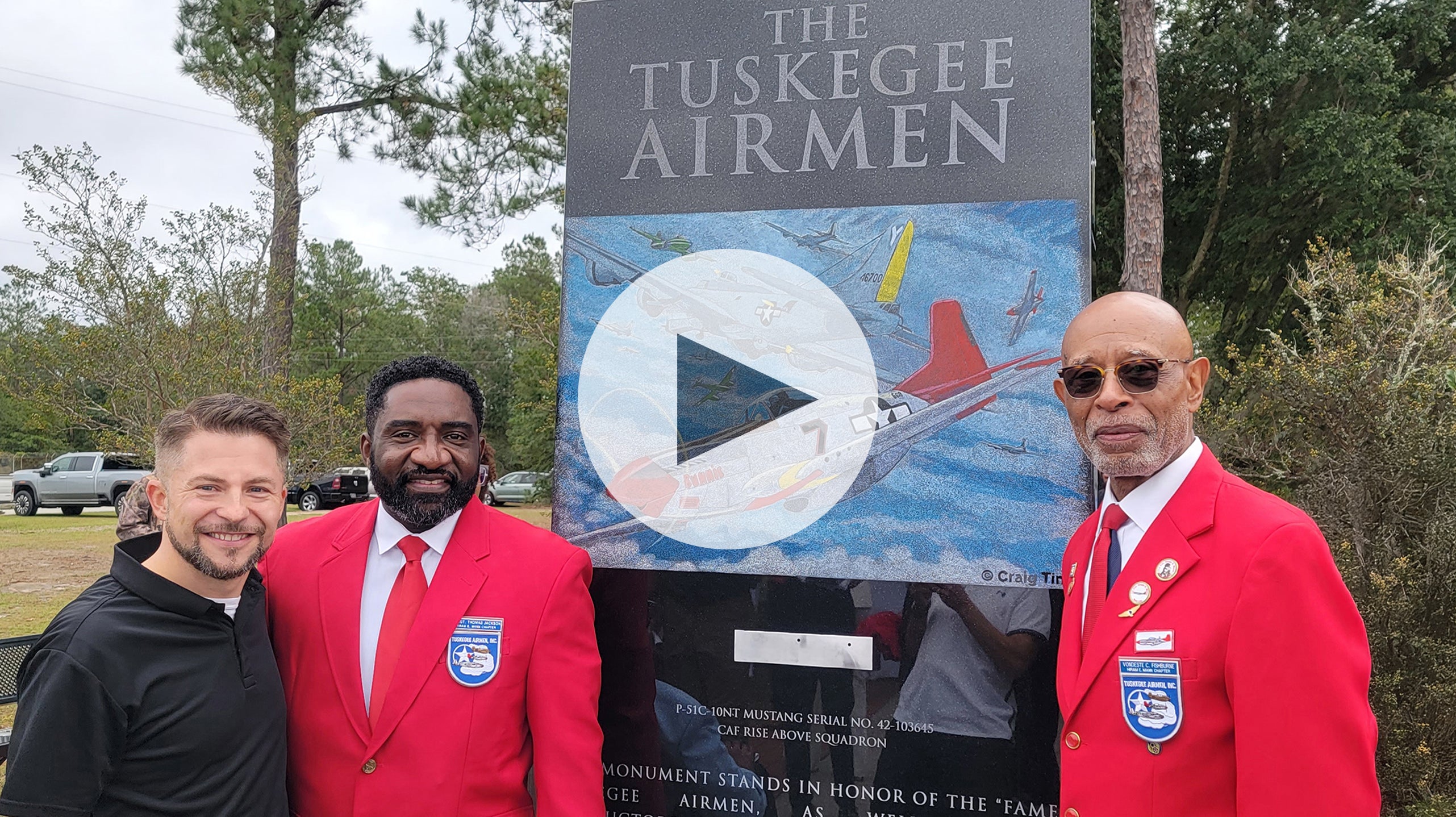
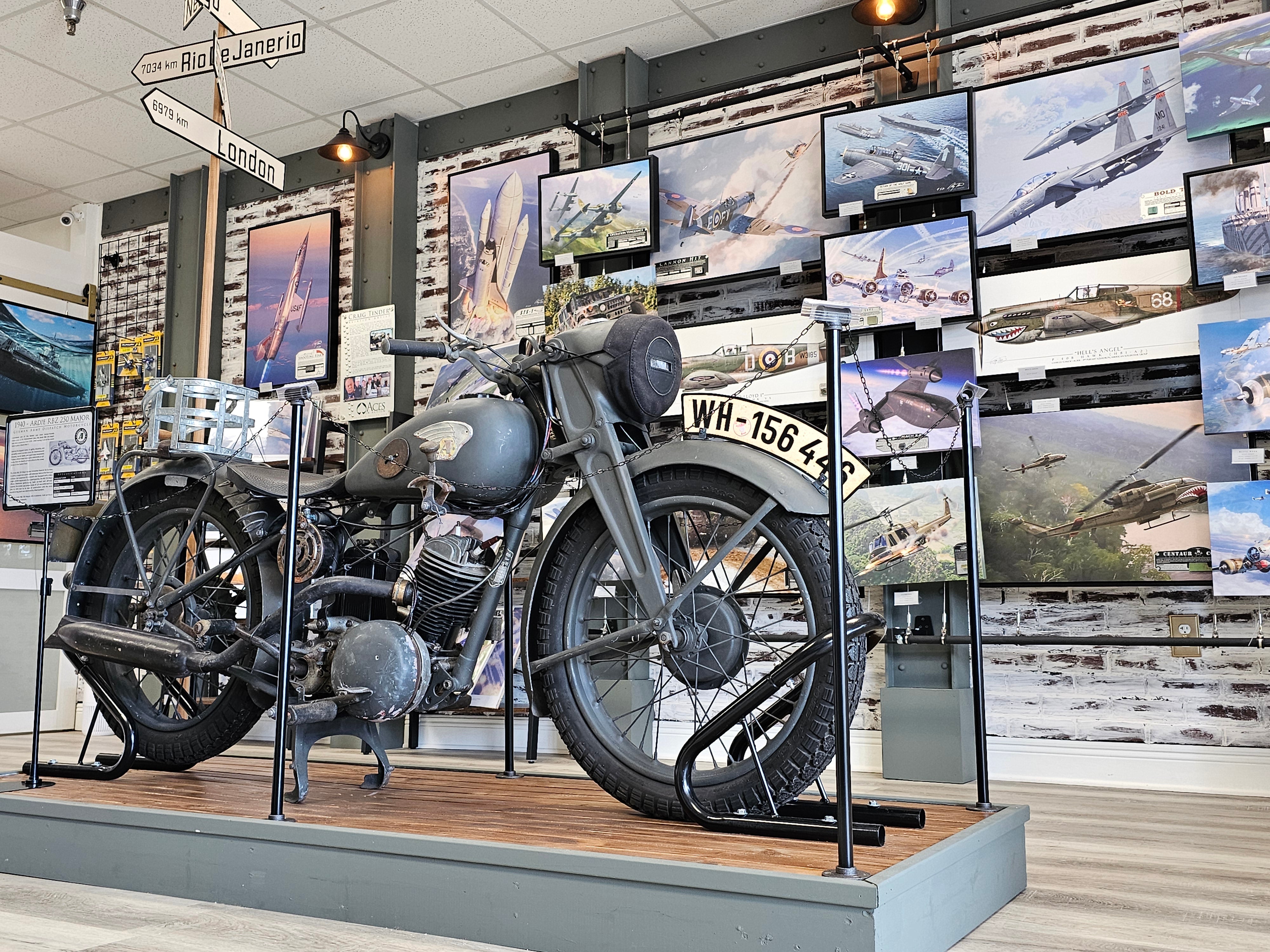
Craig’s artwork and aviation products have been featured in museums and collections around the world and has been commissioned by numerous historical institutions—including the Military Aviation Museum, New England Air Museum, The Hangar at 743, Vintage Wings, National Naval Aviation Museum, and the Tuskegee Airmen National Historic Site—culminating in the design of the Tuskegee Airmen National Memorial in Walterboro, South Carolina.

The Mission
From relics of WWI biplanes to fragments of modern fighter jets, every piece Craig creates carries more than history — it carries responsibility.
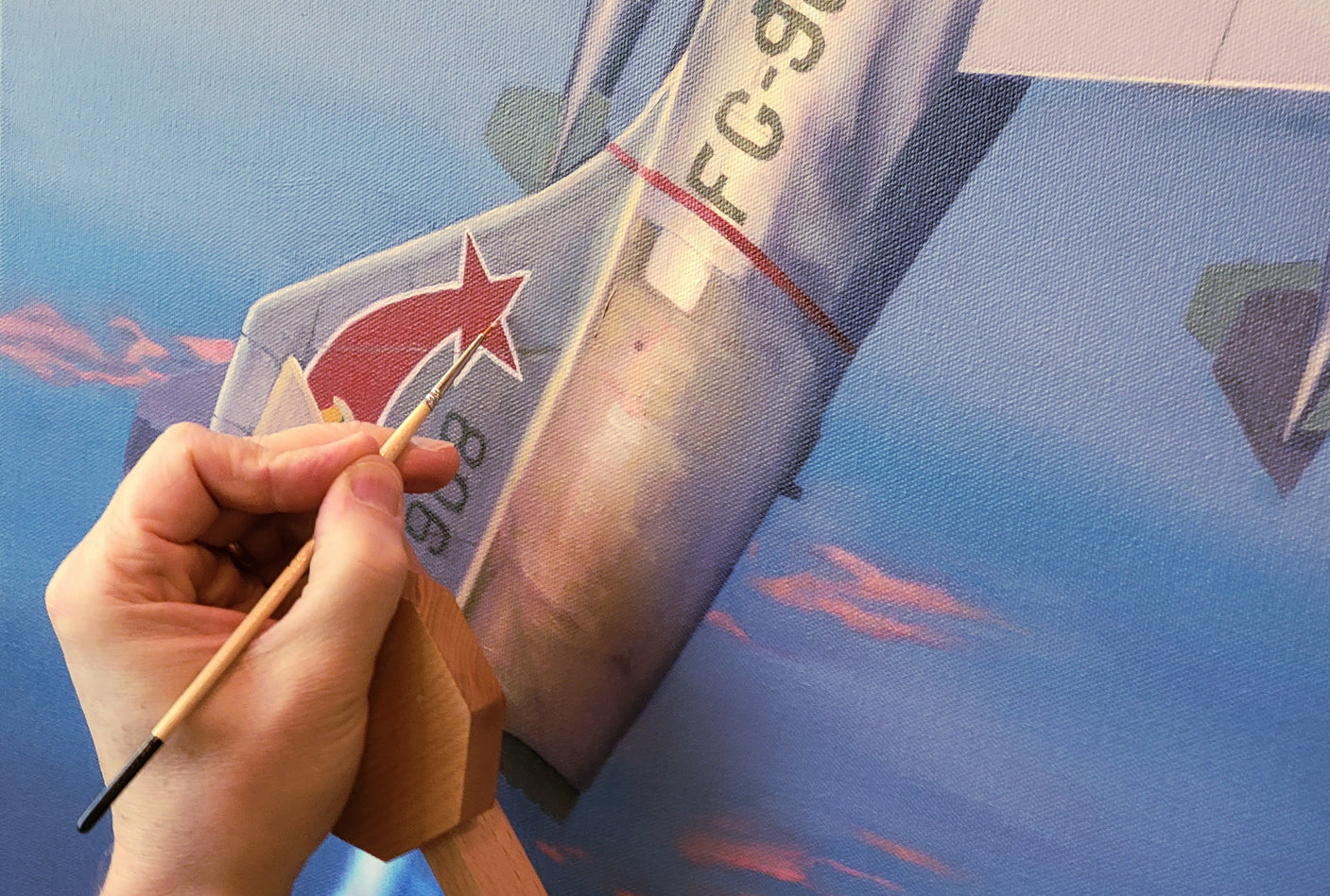
At Aces In Action, our mission is to preserve the stories of courage, sacrifice, innovation, and service that shaped our world. We believe history should not be confined to textbooks or forgotten in storage rooms. It should be experienced — seen through powerful imagery, understood through authentic storytelling, and felt through a tangible connection to the past.
Each artwork begins with meticulous research to ensure historical accuracy. The story is carefully documented and presented on the data plate, giving context to the aircraft, ship, vehicle, and the men and women connected to it. But what makes these pieces truly unique is the embedded relic — an actual fragment of history that can be physically touched. Steel from a carrier’s hull. Aluminum from a fighter’s skin. Wood from a historic airframe.
When you place your hand on that relic, history becomes real.
Our goal is to create heirloom-quality artwork that educates and inspires future generations — pieces that spark conversations between grandparents and grandchildren, veterans and students, collectors and museums. In doing so, we ensure these artifacts are not discarded or forgotten, but respectfully preserved and shared in a meaningful way.
This isn’t just art. It is history shared through experience — to be seen, read, and touched.
MEET THE ARTIST - CRAIG TINDER

THE FIRST RELIC MONUMENT - TUSKEGEE AIRMEN DEDICATION CEREMONY
Commissioned by Museums, Treasured by Collectors
Visit the Journal
Learn more about each art piece, the relic, and the story behind it all.
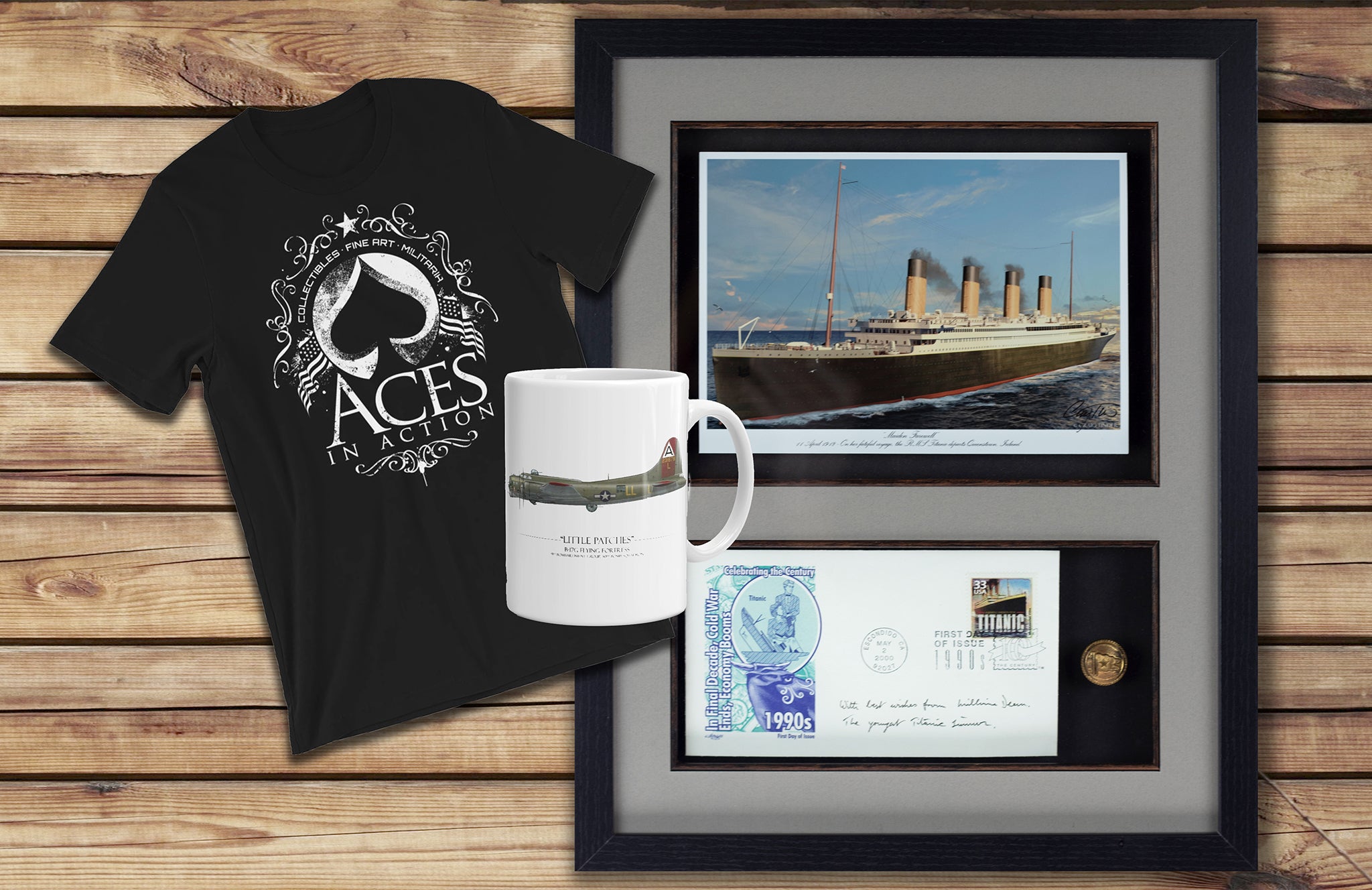
Gifts & Apparel
Sip some coffee or wear your favorite t-shirt! We have you and your gift recipients covered right here!
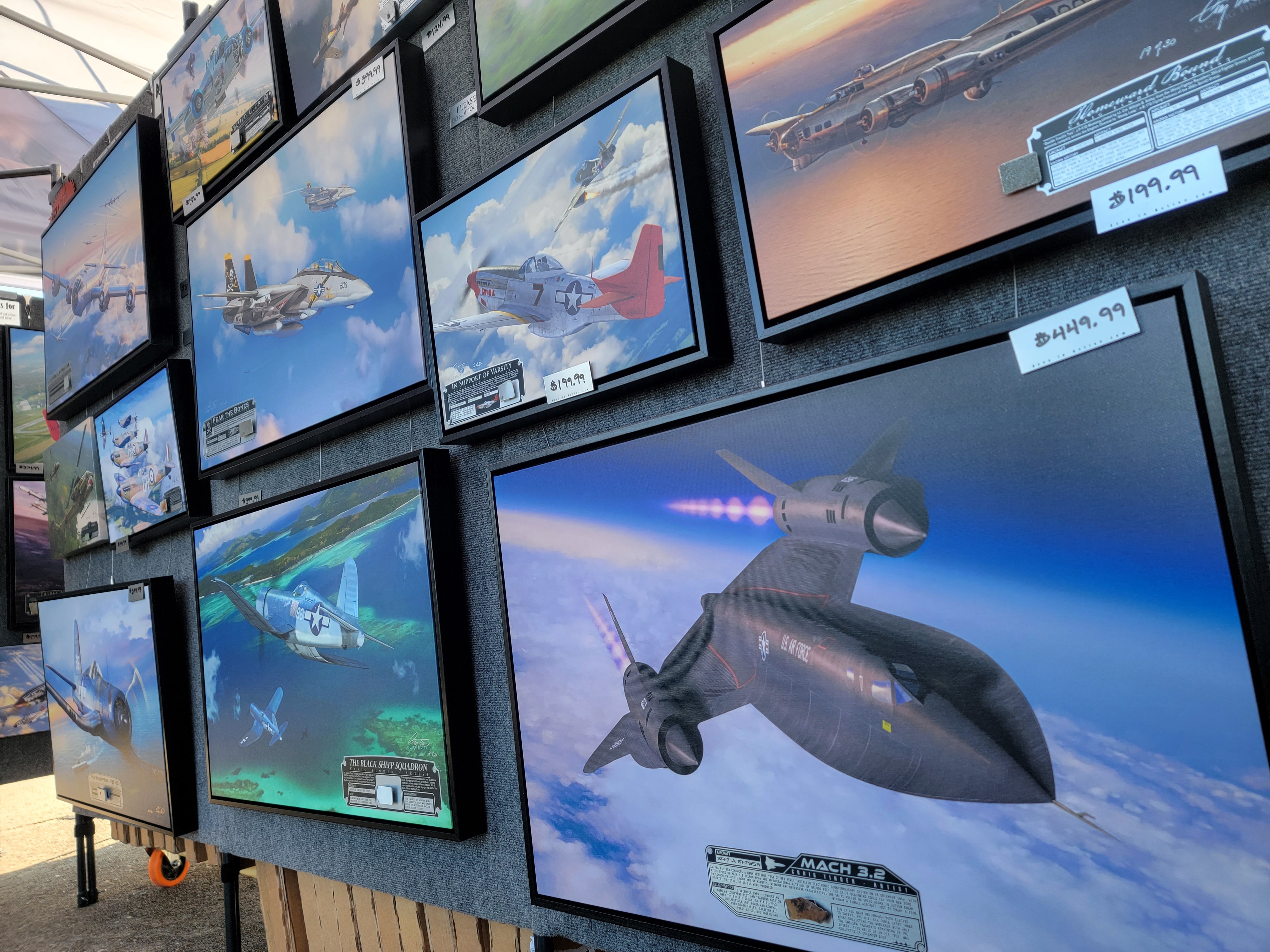
Latest Releases
Sign up on the homepage to be notified when new artwork releases. Shop now while quantities last.