
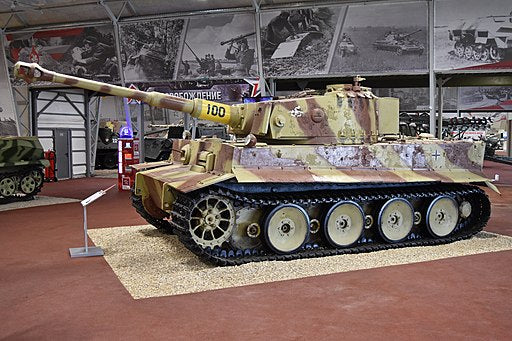
War, even with all of its destruction, also fosters considerable innovation. Its high-stakes environment offers a harsh testing ground for revolutionary technologies, strategies, and machines. Among these, the tanks of World War II emerged as a primary focus. While all sides fielded many formidable tanks during this global conflict, one stands out for its combination of power, design, and psychological impact: the Tiger Tank of the German Wehrmacht.
Built by Germany, the Tiger Tank, officially known as the Panzerkampfwagen VI Tiger Ausf. E emerged as a beast on the battlefield. Its ferocious firepower, remarkable armor, and daunting presence imbued a sense of fear and respect among enemy forces.
Unmatched Firepower
The Tiger Tank packed a formidable punch with its main gun. The 88mm KwK 36 L/56 cannon was initially designed as an anti-aircraft weapon. However, its effectiveness as an anti-tank weapon was soon realized and harnessed. This powerful cannon could penetrate most Allied tank armor from remarkable distances, often out-ranging enemy tanks. The sheer firepower instilled fear in enemy tank crews, as very few armored vehicles could withstand a direct hit from the Tiger’s main gun.
Unyielding Armor
The Tiger Tank boasted incredibly thick armor for its time. Its frontal armor measured up to 100mm thick, while the side and rear armor were around 80mm thick. This gave it an enormous advantage in tank-on-tank engagements, as most Allied tanks struggled to penetrate the Tiger’s armor, especially at range. Its ability to absorb and shrug off hits that would cripple other tanks only amplified its intimidating reputation.

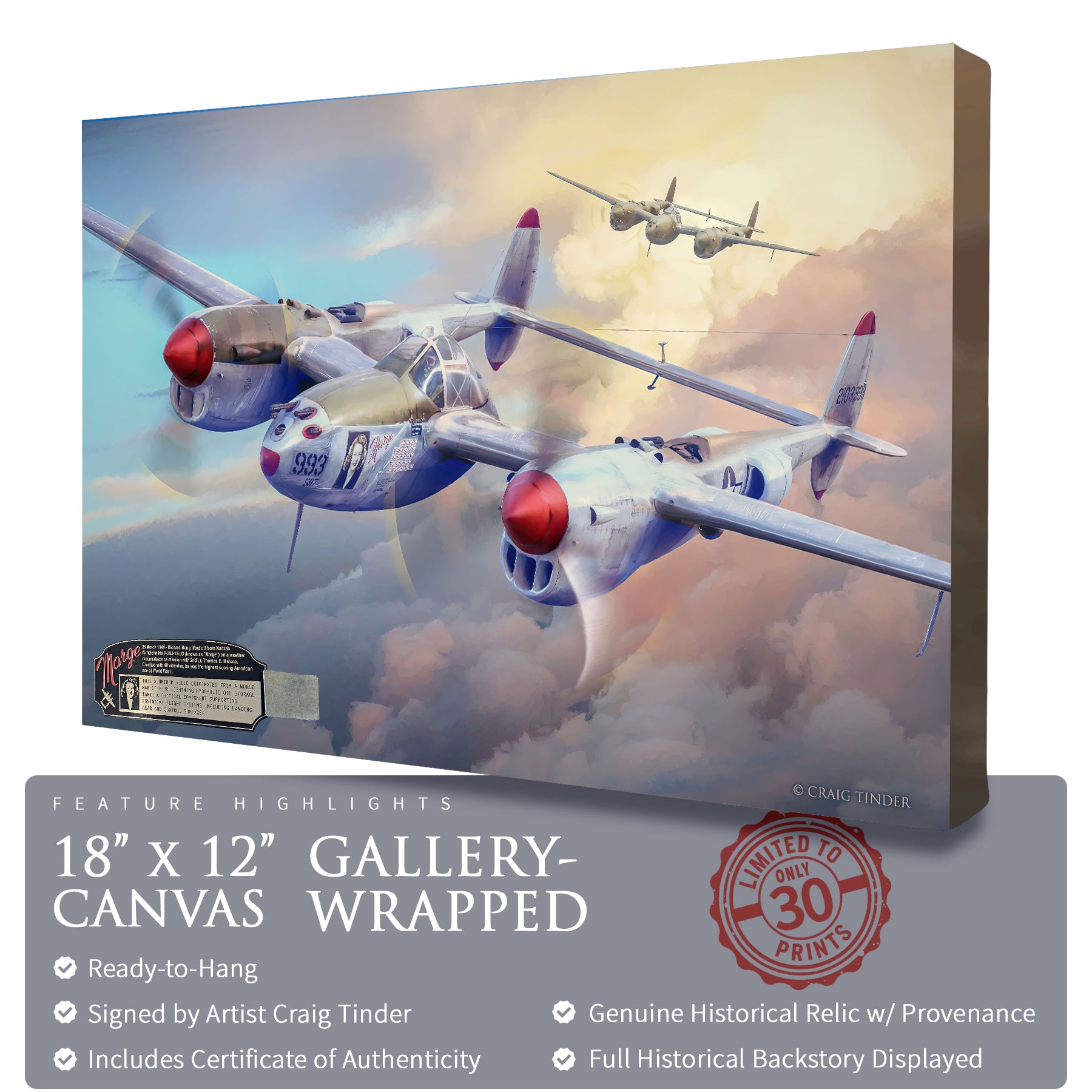
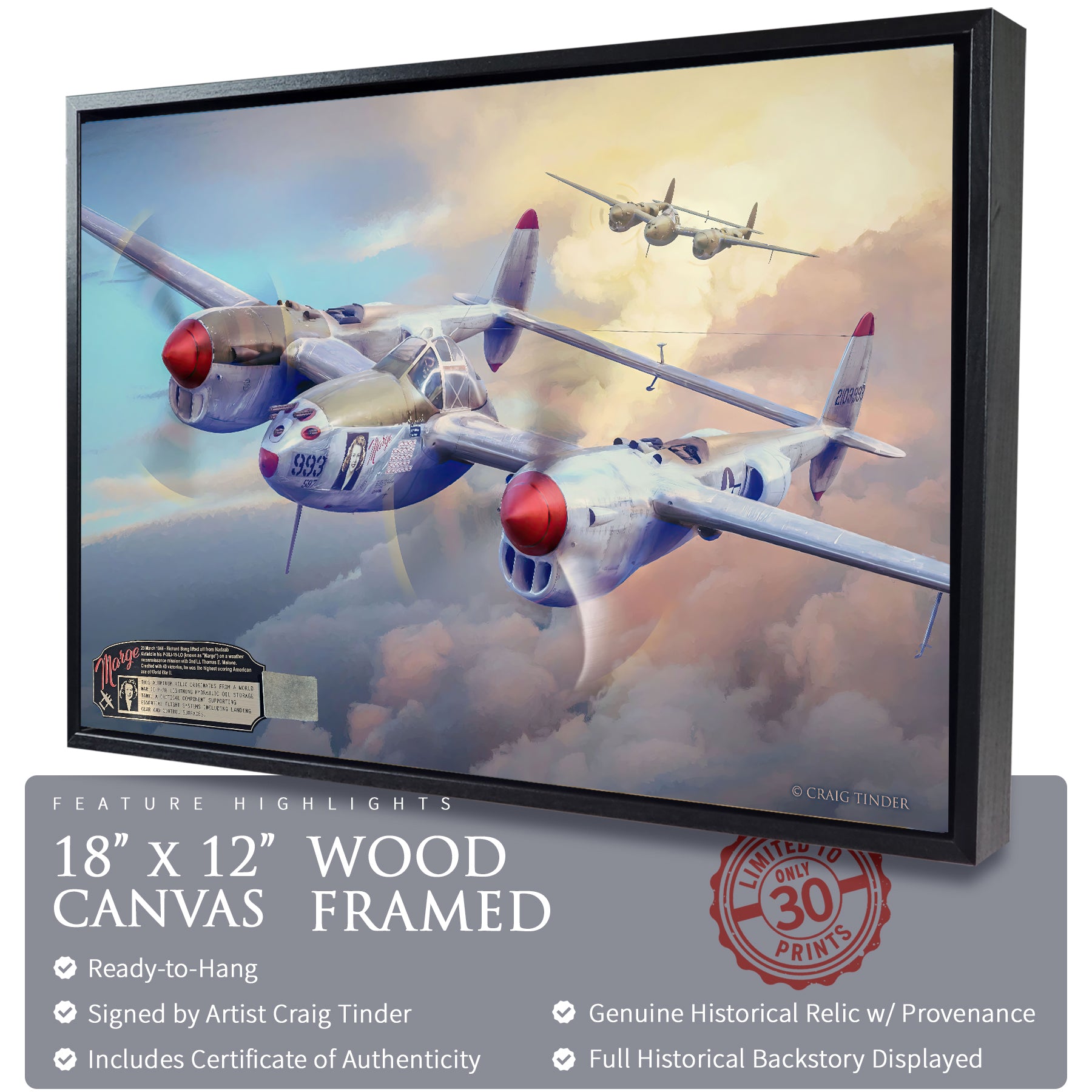
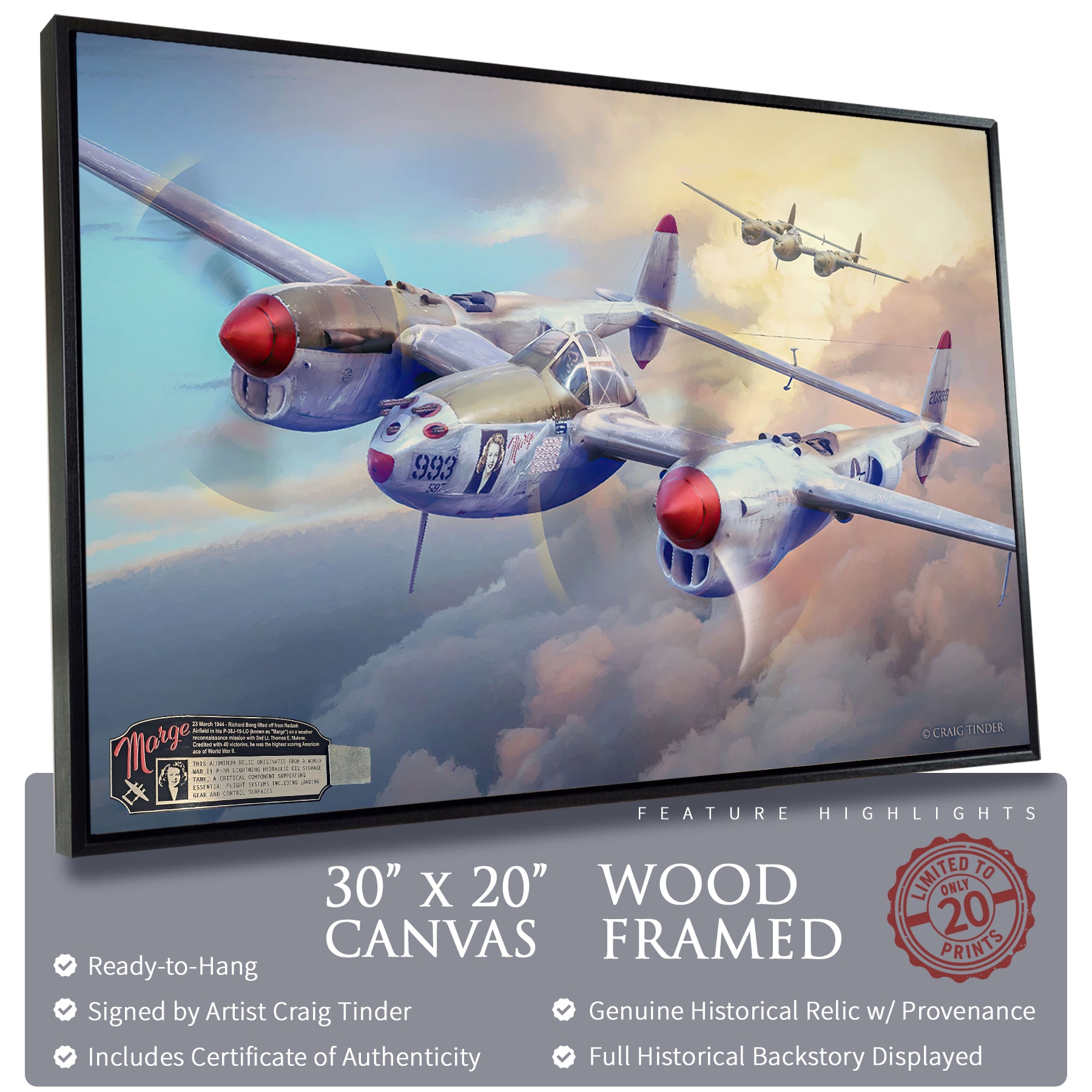
Own a Piece of a Tiger Tank
Imposing Presence
Beyond its technical specifications, the psychological impact of the Tiger Tank was substantial. Its imposing silhouette on the battlefield often caused panic and confusion among enemy ranks. Soldiers often reported “Tiger sightings” when merely up against less formidable tanks. Such is the enduring legend of the Tiger. The mere rumor of a Tiger Tank’s presence could be enough to sway the tide of battle, illustrating its psychological impact.
Operational Efficiency and Tactics
Despite its initial mechanical unreliability and high fuel consumption, the Tiger Tank’s role on the battlefield was irreplaceable. It functioned as a mobile pillbox, offering support for infantry units and breaking through enemy defenses with its formidable firepower. Also, its strategic deployment often in “Tiger Units” only amplified its battlefield dominance.
Legacy of the Tiger
The Tiger’s design influenced future tank development, emphasizing thicker, sloped armor and more prominent, powerful main guns. Even today, the Tiger Tank is an icon of World War II, and its legacy lives on in modern tanks, which carry forward the design philosophy that balances firepower, protection, and mobility.
While many factors contributed to the fear the Tiger Tank evoked, its combination of raw power, robust armor, and psychological warfare made it the most feared tank of World War II. Despite its drawbacks, the Tiger Tank remains a potent symbol of the ruthless efficiency of war machinery. It stands as a grim testament to the technological advancements sparked by global conflict.









Share:
Why is the Humvee called the “Humvee”?
Which is better – the Cobra or the Apache Helicopter?