In the early hours of June 22, 2025, over 125 U.S. military aircraft took part in a coordinated operation codenamed Midnight Hammer. The mission focused on three high-priority nuclear facilities in Iran—Fordow, Natanz, and Isfahan. At the center of the strike were seven B-2 Spirit stealth bombers tasked with delivering fourteen 30,000-pound GBU-57 Massive Ordnance Penetrators, also known as "bunker busters."


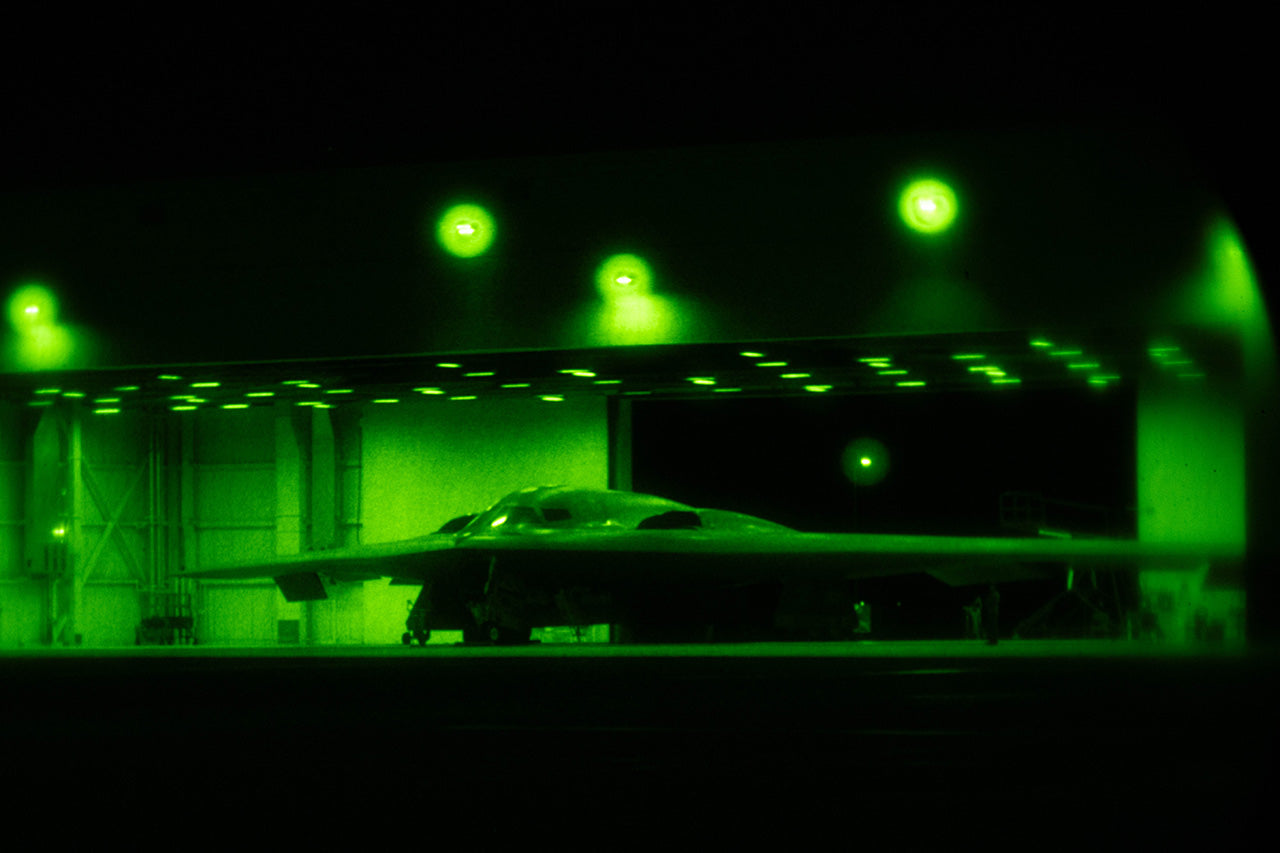
A B-2 Spirit bomber readies for deployment at Whiteman Air Force Base in Missouri during preparations for Operation MIDNIGHT HAMMER, June 2025. (Image credit: U.S. Air Force)

The B-2 bombers took off from Whiteman Air Force Base in Missouri, home to the entire fleet of these advanced stealth aircraft. Located just south of Knob Noster, Whiteman is the headquarters of the 509th Bomb Wing, part of the Air Force Global Strike Command. The base has a long history, dating back to its origins as Sedalia Army Airfield in 1942, when it was used for glider training during World War II.


A B-2 Spirit lifts off from Whiteman Air Force Base in support of Operation MIDNIGHT HAMMER, June 2025. (Image credit: U.S. Air Force)

The B-2s flew east for 18 hours under minimal communications, reaching their targets in the early morning. The bombs began dropping at 2:10 a.m. in a precision operation designed to neutralize deeply buried and fortified targets. Whiteman’s legacy as a key strategic base was once again on display, as its bombers carried out one of the most significant air strikes in recent history.

Returning from its mission, a B-2 Spirit touches down at Whiteman Air Force Base following Operation MIDNIGHT HAMMER, June 2025. (Image credit: U.S. Air Force)

This commemorative art print is now available.

To purchase or see similar items, visit here.

Commissioned by Museums, Treasured by Collectors

Latest Stories

View all

The Final Broadside: How the USS Constitution became known as "Old Ironsides"

The Final Broadside: How the USS Constitution became known as "Old Ironsides"

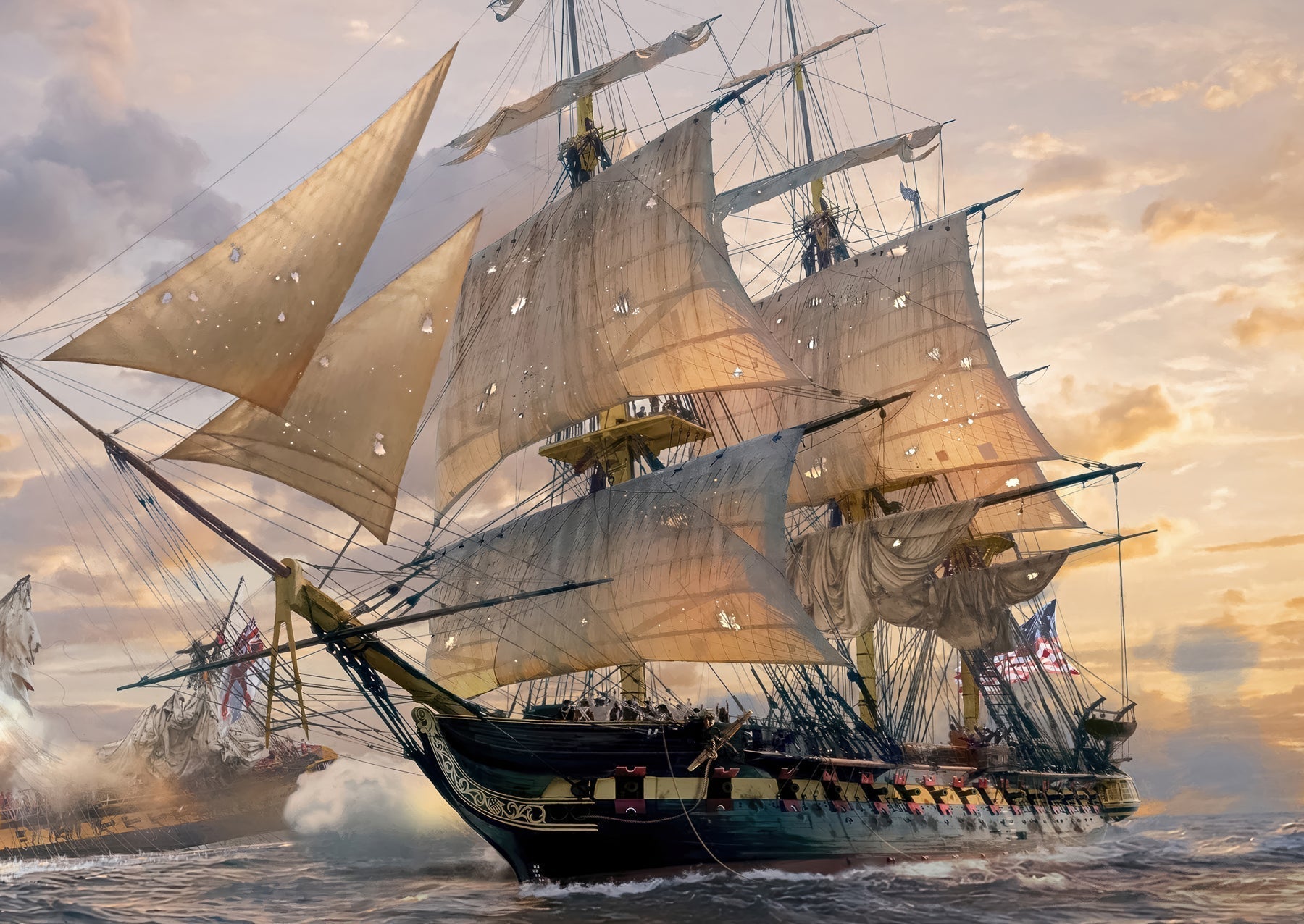
On August 19, 1812, USS Constitution defeated HMS Guerriere in a decisive naval engagement that stunned the Royal Navy and energized the young United States. Depicted in her historically accurate yellow-ochre war paint, the ship delivers the final broadside that ended the fight and secured her legendary nickname, “Old Ironsides.” Extensively researched from eyewitness accounts and period artwork, this piece commemorates a defining early victory in American naval history — paired with an original oak fragment from the ship herself as the nation marks its 250th anniversary.


Read more

Legendary CV-63, the story behind "USS Kitty Hawk"

Legendary CV-63, the story behind "USS Kitty Hawk"

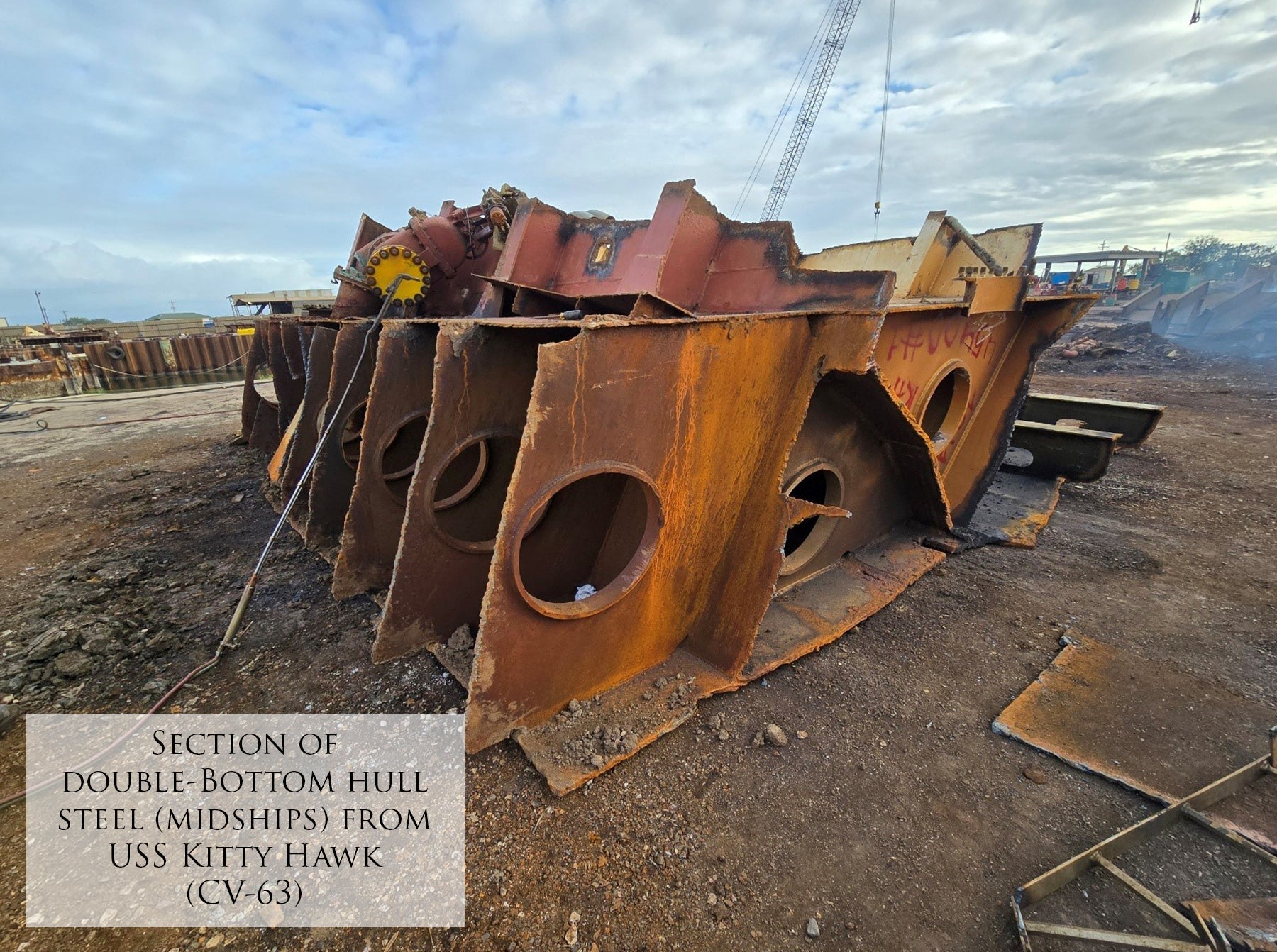
This artwork depicts the USS Kitty Hawk (CV-63) as she appeared in the late 1970s, showcasing her imposing presence as a conventionally powered supercarrier. At this time, Kitty Hawk was a vital asset in the U.S. Navy, participating in Cold War operations and maintaining a strong presence in the Pacific. Her eight steam turbines powered the ship to speeds exceeding 30 knots, supporting extensive deployments and reinforcing American naval dominance. As the lead ship of her class, Kitty Hawk stood as a testament to the ingenuity and resilience of U.S. naval engineering during this critical period in history.

Read more

Dottie G: The First B-17G to Reach Switzerland

Dottie G: The First B-17G to Reach Switzerland

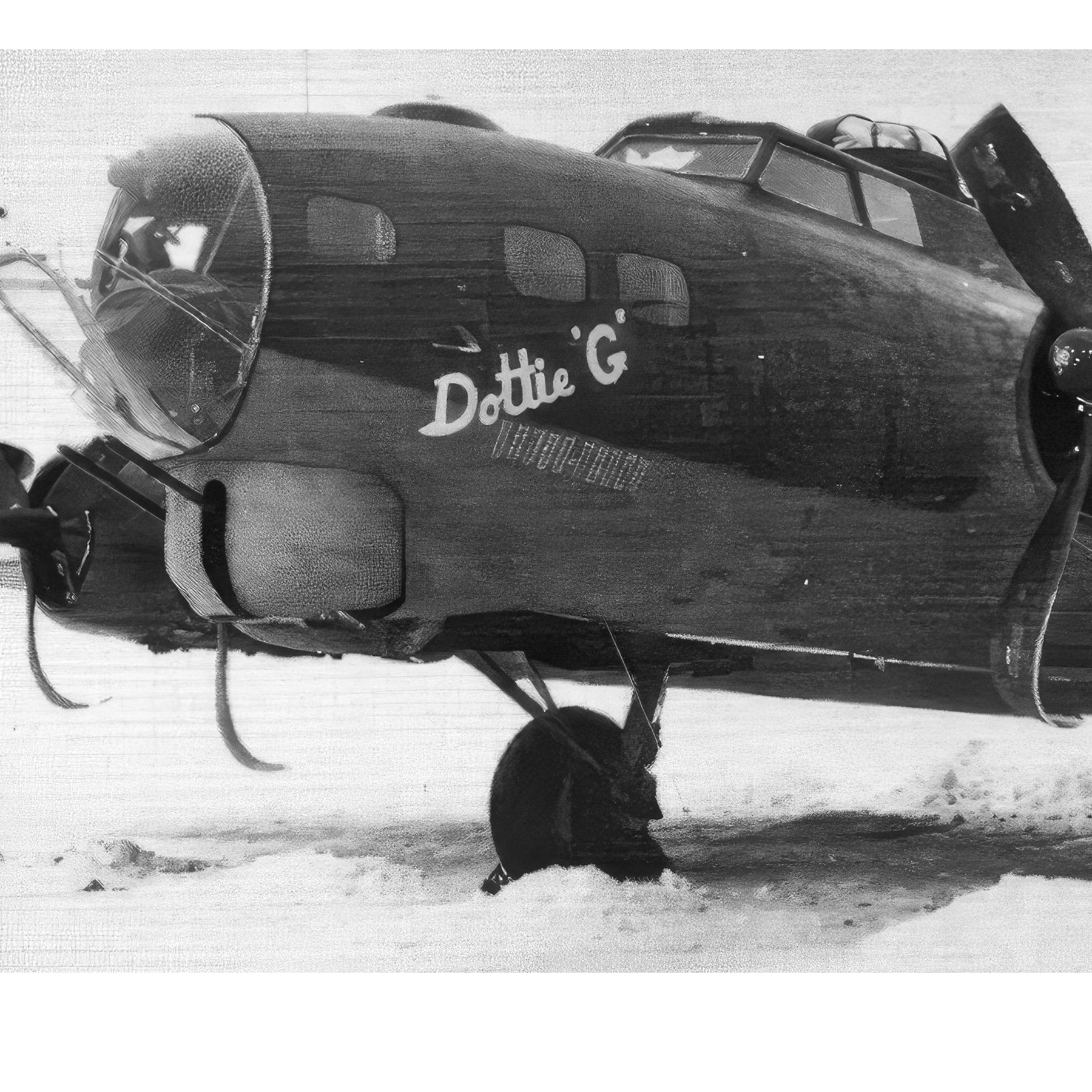
Dottie G: The First B-17G to Reach SwitzerlandBy Craig Tinder | Aces In Action Historical Blog 25 February 1944 - the crew of Dottie G, a B-17G-10-DL Flying Fortress from the 92nd Bomb Group, 325th Squadron, faced a critical choice:...

Read more